

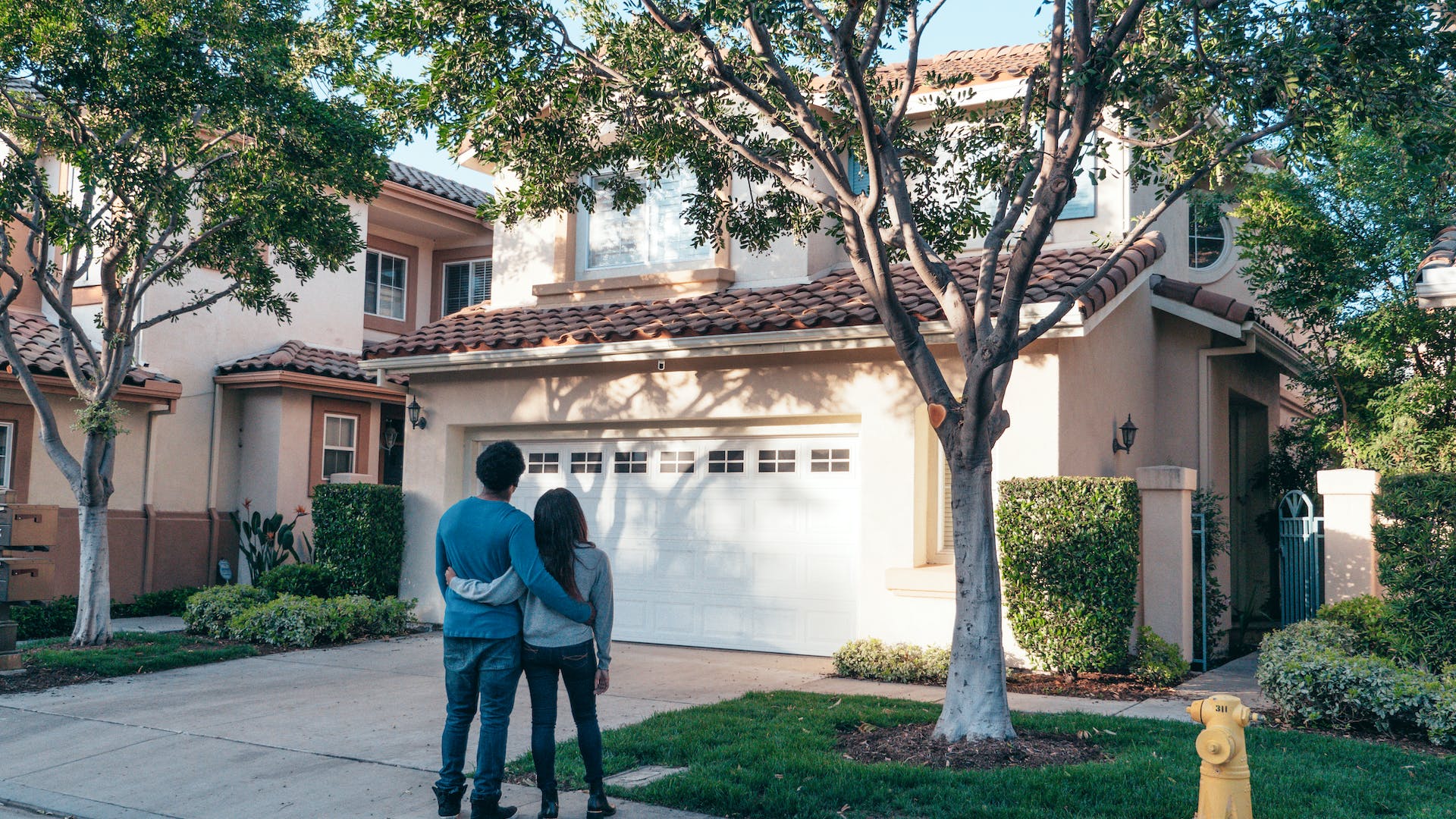
يُعد تمويل شراء عقار في دبي بالنسبة للمغتربين أو غير المقيمين في الخارج أسهل في عام 2026 مما يتوقعه معظم المشترين لأول مرة، لكن الشروط تختلف بشكل كبير اعتمادًا على ما إذا كنت مقيمًا في الإمارات العربية المتحدة أم تشتري من الخارج، ويُعد الخطأ في فهم هذا الفرق أكثر الأخطاء شيوعًا التي يرتكبها المشترون الدوليون في التخطيط.
المقيم الأجنبي مقابل غير المقيم: الفرق الرئيسي
هذا هو التصنيف الأهم الذي يجب فهمه قبل أي شيء آخر.
أ المقيم الأجنبي يحمل تأشيرة إقامة في الإمارات العربية المتحدة وبطاقة الهوية الإماراتية. وبموجب قواعد البنك المركزي الإماراتي، يمكن للمقيمين الأجانب عادةً الحصول على قرض يصل إلى 80% من قيمة العقار (LTV) لشراء عقار سكني أول تقل قيمته عن 5 ملايين درهم إماراتي — مع دفعة أولى لا تقل عن 20%. أما العقارات التي تزيد قيمتها عن 5 ملايين درهم إماراتي فتتطلب دفعة أولى أعلى، كما أن عمليات الشراء الاستثمارية (الشراء بغرض التأجير) تتطلب دفعة أولى أعلى من تلك المخصصة للسكن الشخصي، وتبلغ عادةً حوالي 35-40%.
أ غير المقيم هو أي شخص لا يحمل تأشيرة إقامة في الإمارات العربية المتحدة، ويقوم بالشراء من الخارج. ويخضع غير المقيمين لشروط أكثر صرامة من الناحية المادية: عادةً ما تتراوح نسبة القرض إلى القيمة (LTV) بين 50 و60% للعقارات الجاهزة التي تقل قيمتها عن 5 ملايين درهم إماراتي، مما يعني دفعة أولى تتراوح بين 40 و50%. أما العقارات التي تزيد قيمتها عن 5 ملايين درهم إماراتي، أو عمليات الشراء على المخطط على وجه التحديد، فغالبًا ما تتطلب دفعة أولى لا تقل عن 50% بغض النظر عن القيمة.
نظرة عامة على متطلبات الدفعة المقدمة
- المقيمون الأجانب في الإمارات، أول منزل بسعر أقل من 5 ملايين درهم: دفعة أولى تبلغ حوالي 20%
- مقيم أجنبي في الإمارات العربية المتحدة، عقار استثماري: دفعة أولى بنسبة 35-40% تقريبًا
- عقار جاهز للسكن لغير المقيمين بسعر أقل من 5 ملايين درهم إماراتي: دفعة أولى بنسبة 40-50% تقريبًا
- غير المقيم، عقار تزيد قيمته عن 5 ملايين درهم إماراتي: دفعة أولى بنسبة 50% تقريبًا
- العقارات قيد الإنشاء (لجميع المشترين): عادةً ما تصل نسبة القرض إلى القيمة (LTV) إلى 50٪، مما يعني دفعة أولى بحد أدنى 50٪
تختلف هذه الأرقام من بنك لآخر، لذا من الضروري التأكد من المتطلبات الدقيقة مع الجهة المقرضة التي اخترتها قبل البدء في البحث عن منزل.
أسعار الفائدة في عام 2026
تُحدد أسعار الفائدة على القروض العقارية في الإمارات العربية المتحدة بناءً على EIBOR (معدل الفائدة بين البنوك الإماراتية) مضافًا إليه هامش يحدده كل بنك على حدة. في الربع الأول من عام 2026، تبدأ معدلات الفائدة الثابتة لفترة أولية تتراوح بين سنة و3 سنوات من حوالي 3.99% إلى 4.5% للمقيمين من المغتربين، بينما عادةً ما تكون الهوامش أعلى بنسبة 0.3% إلى 0.5% بالنسبة لغير المقيمين. مع استقرار معدل EIBOR عند حوالي 4.6% في الربع الأول من عام 2026 وهامش البنوك بين 1.25% و1.6%، تراوحت معدلات الرهون العقارية ذات السعر المتغير بين 5.85% و6.2% للملفات الائتمانية القياسية، على الرغم من أن معدل EIBOR قد انخفض تدريجيًا إلى حوالي 3.5% حتى أوائل عام 2026، مما جعل الهياكل ذات السعر المتغير أكثر تنافسية للمشترين الذين لا يمانعون تقلبات الدفعات.
الرهون العقارية ذات السعر الثابت تثبت سعر الفائدة لفترة محددة (عادةً ما تتراوح بين 1 و5 سنوات) قبل العودة إلى سعر فائدة متغير مرتبط بمؤشر EIBOR — مما يوفر استقرارًا في السداد، وهو أمر ذو قيمة خاصة للمشترين الأجانب الذين يديرون دخلهم بعملة أجنبية. الرهون العقارية ذات السعر المتغير تتبع مؤشر EIBOR مباشرةً منذ البداية، مما يوفر وفورات محتملة في حالة انخفاض الأسعار، ولكنه يعرض المقترض لزيادة في الدفعات في حالة ارتفاعها.
ما هي البنوك التي تمنح قروضًا لغير المقيمين؟
لا تقدم جميع البنوك في الإمارات العربية المتحدة قروضًا عقارية لغير المقيمين، لكن هناك العديد من المؤسسات الائتمانية الكبرى التي تخدم هذا السوق بنشاط، بما في ذلك بنك الإمارات دبي الوطني، والمشرق، وبنك أبوظبي التجاري (ADCB)، وبنك أبوظبي الأول، وHSBC، وستاندرد تشارترد، وبنك دبي الإسلامي (لتقديم تمويل عقاري وفقًا للشريعة الإسلامية بنظام المرابحة). تناسب البنوك المختلفة فئات مختلفة من المشترين — يشتهر بنك المشرق بسرعة المعالجة ومرونة المتطلبات الوثائقية للمتقدمين من العاملين لحسابهم الخاص؛ ويقدم بنك أبوظبي التجاري (ADCB) خدمات استشارية مخصصة للمشترين الهنود المغتربين؛ بينما يقدم بنك ستاندرد تشارترد شروطًا تفضيلية لعملاء خدمة «بريريوريتي بانكينغ» الحاليين.
شروط الأهلية
بالإضافة إلى الدفعة الأولى، يقوم المقرضون بتقييم ما يلي:
- العمر: عادةً ما يتراوح العمر بين 21 و65 عامًا عند استحقاق القرض للمتقدمين من الموظفين، ويمتد إلى 70 عامًا للمقترضين العاملين لحسابهم الخاص
- الحد الأدنى للدخل: تشترط معظم البنوك دخلاً شهرياً لا يقل عن 15,000 درهم إماراتي أو ما يعادله بعملتك المحلية
- نسبة عبء الديون (DBR): يحدد البنك المركزي لدولة الإمارات العربية المتحدة سقفاً إجمالياً للالتزامات المالية، بما في ذلك الرهن العقاري الجديد، بنسبة 50% من الدخل الشهري الإجمالي
- الحد الأدنى لقيمة العقار: عادةً ما تتراوح بين 500,000 و1,000,000 درهم إماراتي، ولا تقبل معظم البنوك طلبات الرهن العقاري المقدمة من غير المقيمين إذا كانت القيمة أقل من ذلك
- الجنسية: يتم قبول معظم الجنسيات، على الرغم من أن المتقدمين من المملكة المتحدة والاتحاد الأوروبي والولايات المتحدة وكندا وأستراليا والهند يتمتعون عمومًا بأوسع نطاق من الخيارات فيما يتعلق بالمقرضين، حيث تحتفظ بعض البنوك بقوائم موافقة مقيدة
- المستندات المطلوبة: نسخة من جواز السفر، وإثبات العنوان، وكشوف حساب بنكية لستة أشهر، وشهادة راتب أو إثبات دخل، وتقرير ائتماني من بلدك الأصلي
المدة القصوى للقرض
تبلغ المدة القصوى لقروض الرهن العقاري في دبي 25 عامًا، بشرط سداد القرض بالكامل بحلول سن 65 عامًا للمقترضين الموظفين، أو 70 عامًا للمقترضين العاملين لحسابهم الخاص — مما يعني أن المدة القصوى المتاحة تتقلص كلما زاد عمر مقدم الطلب عند تقديم الطلب.
عملية التقديم، خطوة بخطوة
- اجمع المستندات واطلب الحصول على الموافقة المسبقة. قم بتقديم مستندات الدخل والهوية إلى البنك الذي اخترته أو إلى وسيط الرهن العقاري؛ وعادةً ما تستغرق الموافقة المسبقة من 5 إلى 10 أيام عمل وتظل سارية لمدة 60 إلى 90 يومًا، مما يمنحك ميزانية واضحة قبل البدء في مشاهدة العقارات.
- ابحث عن العقار الذي تريده ووقع مذكرة التفاهم. بمجرد تحديد العقار، قم بتوقيع مذكرة تفاهم (النموذج F) مع البائع، تتضمن السعر والشروط المتفق عليها.
- تقييم العقار بناءً على طلب البنك. يقوم المقرض بتكليف جهة مستقلة بإجراء تقييم للعقار، والذي يتراوح سعره عادةً بين 2,500 و3,500 درهم إماراتي، للتأكد من أن قيمة العقار تدعم مبلغ القرض المطلوب.
- الموافقة النهائية على القرض وخطاب العرض. يقوم البنك بمراجعة التقييم، ووضع اللمسات الأخيرة على شروط القرض، وإصدار خطاب عرض رسمي.
- توقيع عقد الرهن العقاري وتسجيله. يتم تسجيل الرهن العقاري لدى إدارة الأراضي والمساحة (DLD)، مع دفع رسوم تسجيل بنسبة 0.25% من مبلغ القرض، وبذلك تكتمل عملية نقل ملكية العقار.
تستغرق العملية بأكملها، بدءًا من تقديم الطلب الأولي وحتى صرف المبلغ، عادةً ما بين 3 و8 أسابيع، اعتمادًا على البنك ومدى تعقيد الوضع المالي لمقدم الطلب.
التكاليف التي يجب إدراجها في الميزانية بخلاف مبلغ التأمين
وبالإضافة إلى الدفعة الأولى نفسها، تشمل التكاليف الخاصة بالرهن العقاري عادةً ما يلي: رسوم تقييم العقار (2,500-3,500 درهم إماراتي)، ورسوم تسجيل الرهن العقاري لدى دائرة الأراضي والأملاك في دبي (0.25% من مبلغ القرض)، ورسوم الترتيبات العامة للرهن العقاري، التي تُقدَّر عادةً بنحو 1-1.5% من مبلغ القرض. وتُضاف هذه التكاليف إلى تكاليف الشراء القياسية — وهي رسوم نقل الملكية لدى دائرة الأراضي والأملاك في دبي (DLD) البالغة 4% وأي عمولة للوكالة — التي تنطبق على كل عملية شراء في دبي بغض النظر عن طريقة التمويل.
التمويل على أساس المخطط: هيكل مختلف
قروض الرهن العقاري العقارات قيد الإنشاء تختلف عن تمويل العقارات الجاهزة. فبدلاً من الحصول على قرض واحد مقدمًا، عادةً ما يدفع مشترو العقارات قيد الإنشاء مباشرةً وفقًا لخطة سداد يضعها المطور العقاري خلال فترة البناء، وغالبًا ما لا يدخل التمويل العقاري — في حال استخدامه — في الصورة إلا عند التسليم أو قبله بقليل، أو يتم تنظيمه خصيصًا وفقًا لجدول سداد تكاليف البناء. تتطلب عمليات الشراء قيد الإنشاء عمومًا دفعة أولى لا تقل عن 50% بغض النظر عن وضع إقامة المشتري، مما يعكس المخاطر الإضافية المرتبطة بتمويل عقار لا يزال قيد الإنشاء.
ملاحظة عملية بشأن التوقيت
ونظرًا لأن الموافقة المسبقة صالحة لمدة 60 إلى 90 يومًا فقط، فمن الأفضل تنظيم عملية البحث بحيث لا تبدأ الجولات الجادة لمعاينة العقارات إلا بعد الحصول على الموافقة المسبقة، وليس قبل ذلك — فهذا يمنعك من فقدان موقفك التفاوضي بشأن عقار لا يمكنك تأكيد تمويله بعد، ويضمن أن تعكس ميزانيتك قدرتك الفعلية على الاقتراض منذ البداية.
تتميز جميع مشاريع «ليوس ديفيلوبمنتس» بخطط سداد خاصة بالمطور العقاري، مصممة لتتوافق مع التمويل العقاري القياسي المخصص للمقيمين وغير المقيمين، في جميع أنحاء "هادلي هايتس 2"، وسلسلة ويبريدج جاردنز، و نايتسبريدج.
الأسئلة الشائعة
هل يمكن لغير المقيم الحصول على قرض عقاري في دبي؟
نعم. يمكن لغير المقيمين الحصول على قروض عقارية في دبي من خلال العديد من البنوك الكبرى في الإمارات العربية المتحدة، وعادةً ما تتراوح نسبة القرض إلى القيمة (LTV) بين 50 و60% (مع دفعة أولى تتراوح بين 40 و50%)، دون الحاجة إلى تأشيرة إقامة في الإمارات العربية المتحدة أو بطاقة الهوية الإماراتية.
ما هو الحد الأدنى لمبلغ الدفعة الأولى لقرض الرهن العقاري المخصص للمغتربين في دبي؟
عادةً ما يحتاج المغتربون المقيمون في الإمارات العربية المتحدة إلى دفعة أولى تبلغ حوالي 20% عند شراء منزلهم الأول الذي تقل قيمته عن 5 ملايين درهم إماراتي. أما غير المقيمين، فيحتاجون عادةً إلى دفعة أولى تتراوح بين 40% و50%، وتستلزم عمليات الشراء على المخطط عمومًا دفعة أولى لا تقل عن 50% لجميع المشترين.
ما هي أسعار الفائدة الحالية على قروض الرهن العقاري في دبي؟
في عام 2026، تبدأ المعدلات الثابتة للمغتربين المقيمين من حوالي 3.99 إلى 4.5% لفترة أولية، بينما عادةً ما تكون المعدلات المطبقة على غير المقيمين أعلى بنسبة 0.3 إلى 0.5%. أما المعدلات المتغيرة فتتبع معدل EIBOR مضافًا إليه هامش البنك.
كم من الوقت يستغرق الحصول على قرض عقاري في دبي؟
تستغرق العملية بأكملها عادةً من 3 إلى 8 أسابيع بدءًا من تقديم الطلب وحتى صرف المبلغ، بينما تستغرق الموافقة المبدئية من 5 إلى 10 أيام عمل.
ما هي البنوك التي تقدم قروضًا عقارية للأجانب في دبي؟
ومن بين أبرز المؤسسات المقرضة لغير المقيمين: بنك الإمارات دبي الوطني، وبنك المشرق، وبنك أبوظبي التجاري، وبنك أبوظبي الأول، وبنك HSBC، وبنك ستاندرد تشارترد، وبنك دبي الإسلامي.
