


Меня часто спрашивают, почему архитектор решил уйти из архитектуры. Честный ответ заключается в том, что я никогда от неё не уходил. Каждое решение, которое сегодня принимает LEOS — от балконов в Weybridge Gardens, вдохновленных лепестками цветов, до самозатеняющихся фасадов в Knightsbridge, — исходит из того же инстинкта, который я развивал в течение многих лет. Просто в начале своей карьеры я понял, что чертежи — это лишь половина дела. Всегда кто-то другой решал, будет ли построенное здание соответствовать тому, что было спроектировано. Я хотел стать этим «кем-то».
Почему одной архитектуры оказалось недостаточно
Я получил образование архитектора по британской системе, зарегистрирован в ARB и RIBA, а также некоторое время работал научным сотрудником на факультетах нескольких британских университетов. Это образование дало мне то, чего я никогда не терял: увлеченность деталями, которые большинство людей даже не замечает. То, как свет проникает в комнату в четыре часа дня. Разница между коридором шириной 1,4 метра и коридором шириной 1,6 метра. То, как фасад здания справляется с жарой — не на картинке в брошюре, а в августе.
Но то, чего мне не дало это обучение, — это контроль над результатами. Будучи архитектором, ты сдаёшь свои чертежи, а потом наблюдаешь. Ты наблюдаешь, как сокращают бюджет в тех местах, где заказчик будет испытывать дискомфорт в течение тридцати лет. Ты наблюдаешь, как в ходе оптимизации стоимости убирают те элементы, которые и делали проект удачным. Ты наблюдаешь, как застройщик выбирает более дешёвое остекление, более тонкую теплоизоляцию — те компромиссы, которые сегодня позволяют сэкономить три процента, но обходятся жильцам каждый день после сдачи объекта.
Я помню это чувство в мельчайших деталях — смесь гордости за проект и беспомощности перед его судьбой. Именно это чувство и стало причиной создания LEOS.
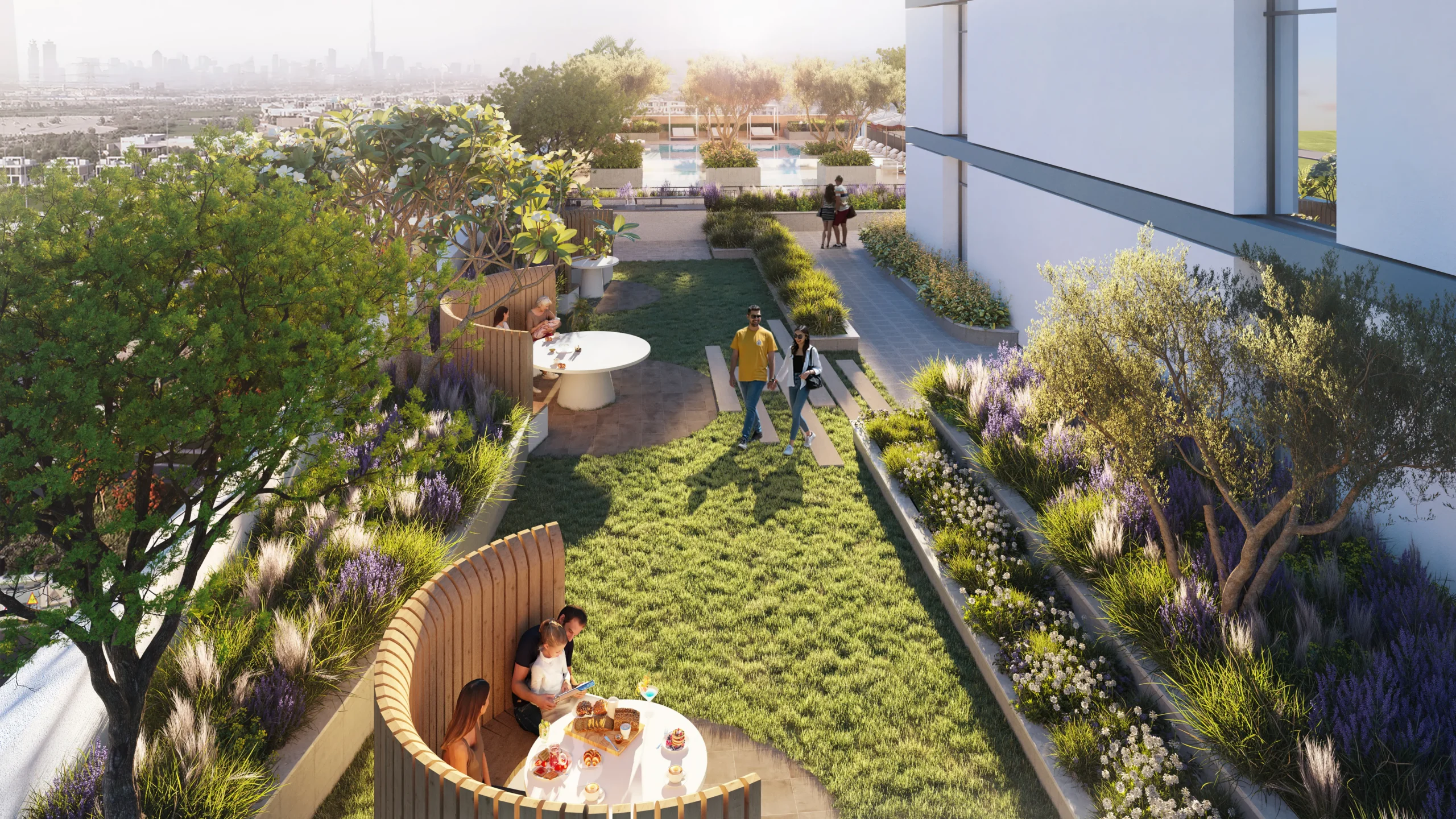
Разрыв, который я заметил между проектированием и реализацией
В сфере недвижимости существует структурная проблема, о которой никто из ее участников не любит говорить: люди, которые проектируют здания, и те, кто принимает решения о том, что на самом деле будет построено, как правило, не являются одними и теми же лицами, и их интересы не совпадают. Архитектор получает вознаграждение за проект. Застройщик получает прибыль. Где-то между этими двумя позициями интересы жильцов остаются за бортом переговоров.
Я стал разработчиком, потому что хотел устранить этот разрыв — чтобы проектные и коммерческие решения принимались одной и той же командой. Когда компания LEOS принимает решение оборудовать частный бассейн в каждой квартире комплекса «Weybridge Gardens 4» или установить частный лифт в каждой вилле в Найтсбридже, это не маркетинговое решение, прошедшее этап проектной экспертизы. Это проектное решение, которое с самого начала определило коммерческий план. Разница, казалось бы, незначительная. Но в готовом здании она имеет решающее значение.
Как возникла компания LEOS и как на самом деле выглядели первые годы её существования
Компания LEOS начала свою деятельность в Великобритании, опираясь на опыт моей архитектурной практики и сеть людей, которые, как и я, верили, что застройку можно осуществлять с соблюдением архитектурных принципов. Первые годы не были гламурными. Это был анализ земельных участков, подача заявок на планирование, строительство
управление и освоение — порой ценой значительных затрат — того, как довести проект от эскиза до сдачи ключей, не утратив при этом того, что сделало его достойным реализации.
Те годы, проведённые в Великобритании, привили нам ту дисциплину, которая сегодня определяет компанию LEOS: британские стандарты проектирования и строительства — это не просто лозунг, который мы используем в Дубае. Это навыки, которые мы выработали в те времена, когда британские строительные нормы, британские комиссии по градостроительству и британские заказчики были единственными инстанциями, перед которыми мы отчитывались.
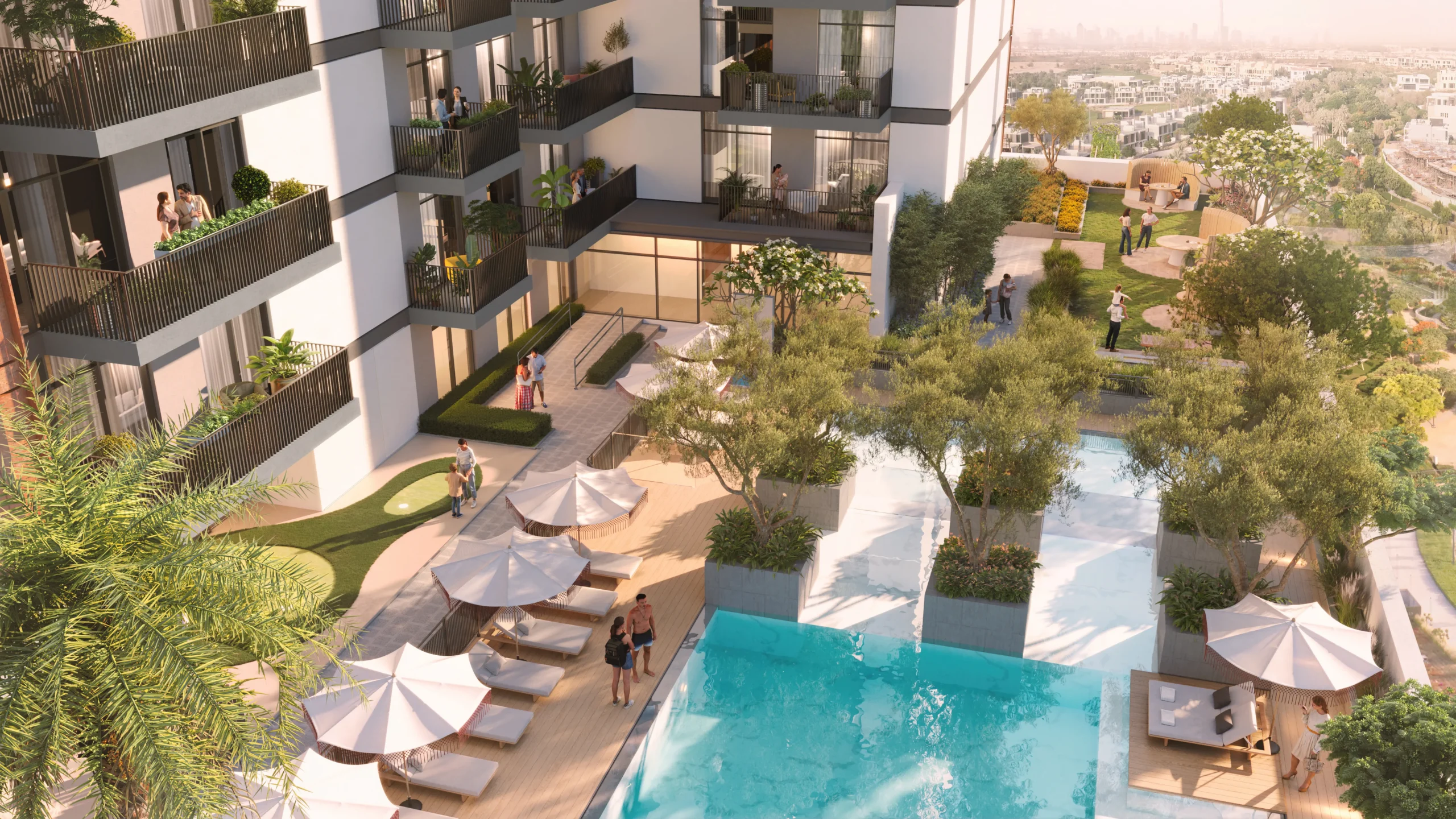
Почему я выбрал Дубай в качестве второго целевого рынка для LEOS
Я перенес штаб-квартиру LEOS в Дубай, потому что Дубай — единственный город в мире, где амбициозные архитектурные проекты не воспринимаются как риск. На большинстве рынков жилая башня, вдохновленная лепестком цветка, или
Идея создания адаптированного к климатическим условиям оздоровительного комплекса с лагуной, пригодной для купания, была бы отвергнута на совещании по оценке осуществимости проекта. В Дубае никогда не задают вопрос: «Зачем это строить?». Там спрашивают: «Как быстро вы сможете это реализовать?».
Но я хочу честно рассказать и о другой причине. Рынок недвижимости Дубая на стадии строительствастрадает от репутационных проблем, которые он отчасти заслужил сам: застройщики, дававшие завышенные обещания; визуализации, превосходившие реальность; покупатели, получившие меньше, чем им было обещано. Для застройщика, вся идентичность которого построена на устранении разрыва между проектом и конечным результатом, этот рынок не представляет угрозы. Это — самая яркая возможность выделиться из общей массы. Каждое обновление о ходе строительства, которое мы публикуем, каждый проект, который мы сдаем в точном соответствии с проектом, увеличивает расстояние между LEOS и той репутацией, которую унаследовал рынок.
Трубопровод и философия, лежащая в его основе
В октябре 2024 года я объявил об инвестиционной инициативе на сумму 7 миллиардов долларов, направленной на реализацию более десяти проектов, способных кардинально изменить облик региона. На сегодняшний день этот портфель проектов включает «Дубай Спортс Сити», «Дубайленд», «Мейдан Дистрикт 11» и другие объекты, а также «Хэдли Хайтс», серию проектов «Уэйбридж Гарденс», «Найтсбридж», «Кенсингтон Гарденс» и многие другие, которые будут реализованы в будущем.
Иногда люди воспринимают такую цифру как стремление к амбициозности ради самой амбициозности. Но это не так. Портфель проектов так велик, потому что наша философия масштабируема: найти участок с реальными фундаментальными преимуществами, разработать проект, который не мог бы быть создан ни одним другим застройщиком, спроектировать его в соответствии со стандартами, приемлемыми для нас в Великобритании, и реализовать его в точном соответствии с чертежами. Эта формула работает одинаково, независимо от того, применяется ли она к одному зданию или к двадцати.
Чего я не буду делать, так это расти быстрее, чем это позволяет данная формула. Наши проекты финансируются за счет собственных средств, и наши подрядчики обязаны соблюдать одинаковые стандарты контроля на каждой строительной площадке: каждая опалубка, каждая стальная арматура, каждое заделанное инженерное оборудование — всё проверяется и перепроверяется. Рост, опережающий контроль качества, — это не рост. Это заимствование под собственное имя.
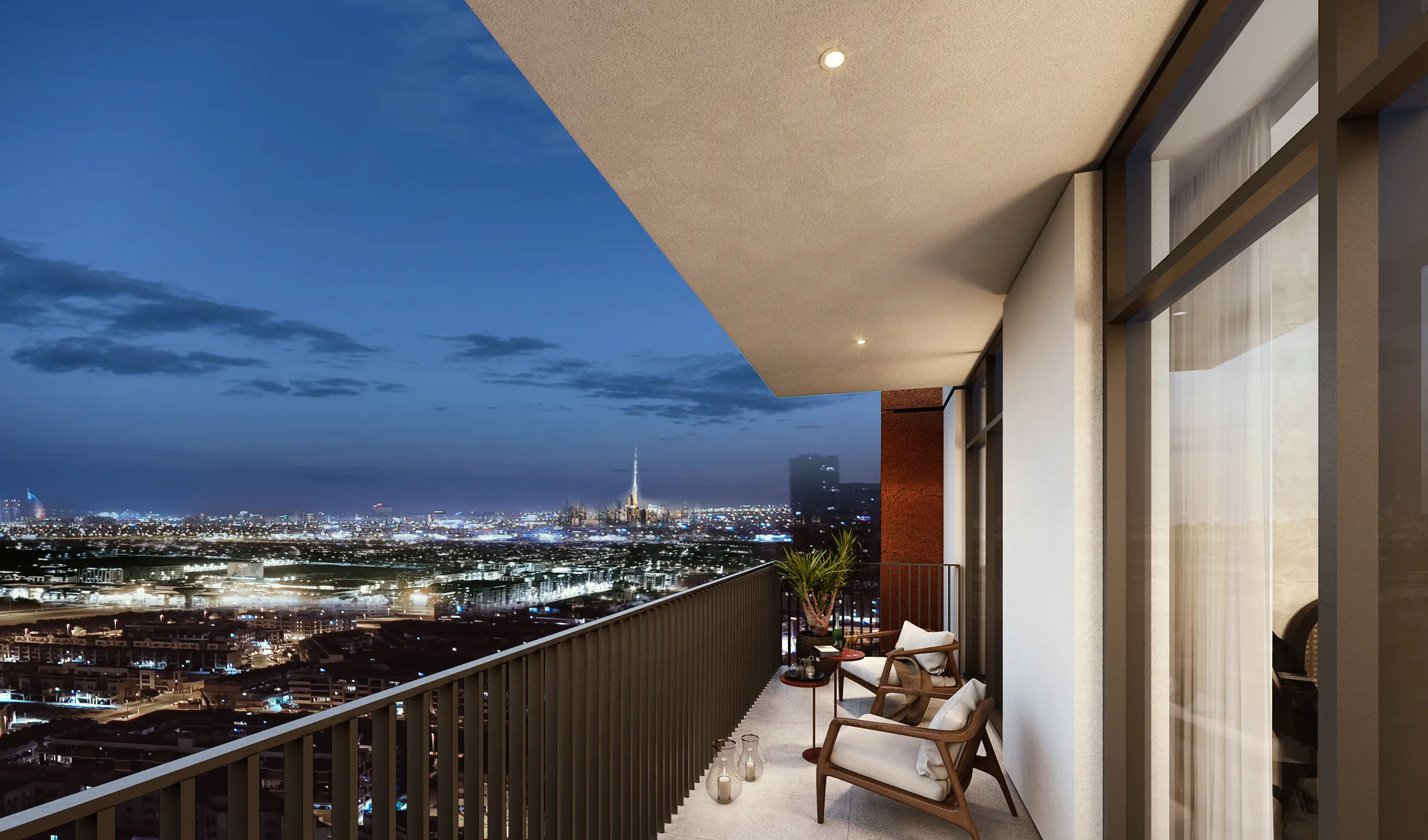
Что на самом деле означает «качественное строительство»
За более чем десятилетие работы в этой сфере я могу свести свои убеждения к одному предложению: здание — это обещание, а единственный настоящий актив застройщика — это то, выполняются ли его обещания.
Визуализации, презентации, партнерство со знаменитостями — всё это лишь обещания. Доказательством служит сдача объекта. Именно жилец, заселяясь, убеждается, что высота потолков, качество отделки, бассейн и сад полностью соответствуют тому, что ему показывали два года назад. Именно инвестору вторая покупка даётся легче, чем первая, потому что первая прошла именно так, как и обещали.
Именно ради этого я и ушел из архитектуры — чтобы иметь возможность это гарантировать. И это единственный критерий оценки LEOS, который для меня в конечном итоге имеет значение.
Программа «Золотая виза» по инвестициям в недвижимость
Приобретение недвижимости в ОАЭ на сумму 2 000 000 дирхамов или более дает покупателям право на получение 10-летней «Золотой визы» ОАЭ, которая распространяется на покупку недвижимости на стадии строительства и с ипотечным кредитом в соответствии с правилами, действующими до апреля 2026 года. «Золотая виза» распространяется на покупателя, его супруга, детей и домашний персонал. Она предоставляет право на 10-летнее продлеваемое проживание в ОАЭ без обязательного постоянного проживания в стране.
Двухлетняя виза на основании владения недвижимостью выдается при покупке недвижимости стоимостью 750 000 дирхамов и выше (в единоличном владении).
Недвижимость в комплексах Hadley Heights 2 (от 1,1 млн дирхамов), Weybridge Gardens 4 и 5 (от 690 тыс. до 2,25 млн дирхамов) и Knightsbridge (от 7,94 млн дирхамов) охватывает весь диапазон ценовых категорий — от объектов, позволяющих получить визу на основании приобретения недвижимости, до тех, которые дают право на получение «Золотой визы».
Часто задаваемые вопросы
Кто основал компанию LEOS Developments?
Компания LEOS Developments была основана Руи Лю, архитектором с британской квалификацией (ARB/RIBA), который занимает должность основателя и председателя совета директоров LEOS International. Компания ведет деятельность на территории Великобритании и ОАЭ, а её штаб-квартира в настоящее время находится в Дубае.
Рюй Лю — архитектор?
Да. Руй Лю получил образование и квалификацию архитектора в Великобритании, зарегистрирован в ARB и RIBA, а также работал научным сотрудником на факультетах нескольких британских университетов, прежде чем основал компанию LEOS.
Где находится компания LEOS Developments?
Штаб-квартира компании LEOS расположена в Дубае, а её демонстрационный центр — в комплексе Bay Square в районе Business Bay; кроме того, у компании есть офисы в Великобритании — в Уэйбридже (графство Суррей) и Лондоне.
Каков размер компании LEOS Developments?
В октябре 2024 года компания LEOS объявила об инвестиционной инициативе на сумму 7 миллиардов долларов, направленной на реализацию более десяти проектов по всему региону. Её портфель действующих проектов в Дубае включает Dubai Sports City, Dubailand и Meydan District 11, в том числе Hadley Heights 2, серию проектов Weybridge Gardens и Knightsbridge.
