

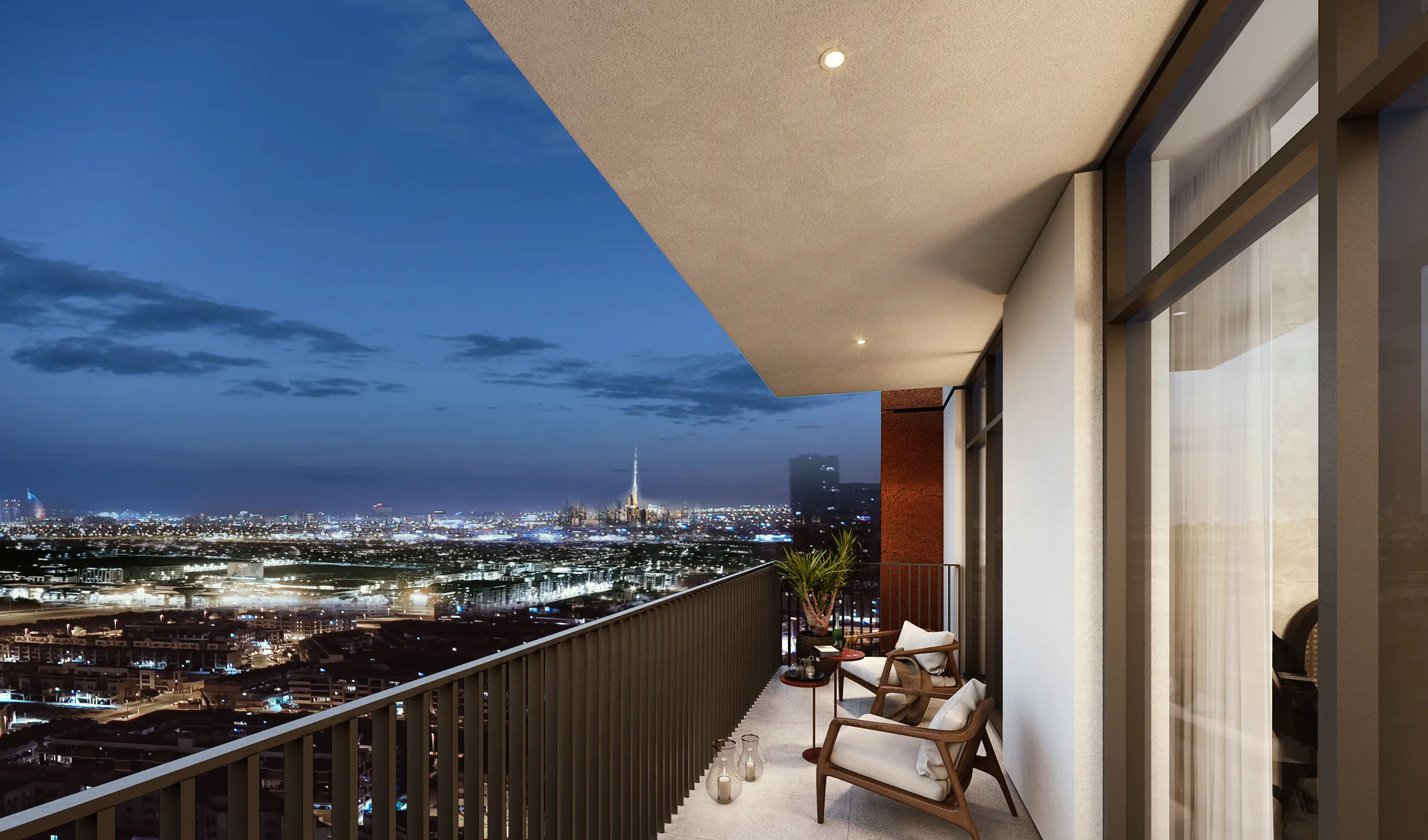
Спросите десять инвесторов из Дубая, что выгоднее купить — таунхаусы или квартиры, — и все десять дадут вам уверенный ответ, причем мнения разделится поровну, и обе стороны будут твердо уверены в своей правоте. Дело в том, что на этот вопрос, заданный без учета контекста, нет однозначного ответа. Таунхаусы и квартиры — это не конкурирующие варианты одной и той же инвестиции. Это разные инструменты с разными характеристиками доходности, разными факторами, определяющими спрос, и разными рисками. Правильный вопрос заключается не в том, что лучше, а в том, что лучше подходит для вашей цели.
Вот объективное сравнение с учетом данных на 2026 год.
Разница в ценах
Разница в точках входа является первым структурным фактом:
Цены на квартиры в жилых комплексах Дубая среднего ценового сегмента с правом полной собственности начинаются примерно от 400 000 дирхамов за студии и от 600 000 до 1 000 000 дирхамов за квартиры с одной и двумя спальнями. Цены на новые объекты премиум-класса на стадии строительства, такие как Weybridge Gardens 4, где каждая квартира, начиная со студии, имеет собственный бассейн, варьируются от 690 818 дирхамов до 2,25 млн дирхамов в зависимости от типа квартиры.
Цены на таунхаусы значительно выше. В таунхаусных комплексах Дубая среднего ценового сегмента (семейные микрорайоны Дубайленда, DAMAC Hills 2, Town Square) цены на объекты с 3–4 спальнями начинаются от 1,5–2,5 млн дирхамов. Элитные жилые комплексы на набережной и оздоровительные комплексы относятся к совершенно другому ценовому сегменту: цены в комплексе Knightsbridge в 11-м районе Мейдана начинаются от 7,94 млн дирхамов за таунхаус The Highclere с четырьмя спальнями, а стоимость вилл достигает 21,6 млн дирхамов.
Практическое следствие: квартиры позволяют диверсифицировать инвестиции (три квартиры в трёх жилых комплексах по цене одного элитного таунхауса), тогда как таунхаусы предполагают концентрацию капитала в одном объекте недвижимости с единственным арендатором.
Сравнение доходности
Именно в этом и заключается существенное различие между этими инструментами:
Квартиры приносят большую доходность. В апреле 2026 года валовая доходность от аренды в сегменте квартир Дубая в среднем составила 7,15 %, при этом в перспективных жилых комплексах среднего ценового сегмента, таких как «Дубай Спортс Сити», она достигала 7,5–8,2 %, а в жилых кварталах «Дубайленда» — 6–8,5 %. Чистая доходность после вычета коммунальных платежей, как правило, на 1,5–2 % ниже.
Таунхаусы приносят меньшую доходность, но отличаются по срокам владения. Валовая доходность вилл и таунхаусов составляет 4,5–6,5 % в зависимости от района и планировки, при этом хорошо спланированные таунхаусы в 11-м районе Мейдана достигают чистой доходности около 6,5 % — верхней отметки диапазона. За цифрами общей доходности скрывается особенность поведения арендаторов: арендаторами таунхаусов являются семьи, которые проживают в них годами, а не месяцами, продлевают договоры аренды, а не сменяют жилье, и относятся к объекту как к собственному дому. Риск вакантности и затраты на смену арендаторов структурно ниже.
Если говорить честно: квартиры приносят больше дохода в год, а таунхаусы реже мешают вам жить.
Сравнение роста капитала
В течение последнего рыночного цикла сегмент вилл и таунхаусов в Дубае показал более высокую динамику роста стоимости по сравнению с квартирами, что было обусловлено простым дисбалансом: спрос со стороны семей рос быстрее, чем предложение жилья для семей. Комплексы таунхаусов, требующие больших земельных участков, не поддаются уплотнению так же, как участки под многоквартирное жилье, поэтому ограниченность предложения заложена в самой сути этого продукта.
Эта тенденция сохранилась в 2025–2026 годах: в районе Мейдан был зафиксирован рост цен на 10–12 % по сравнению с предыдущим годом, при этом аналитики прогнозировали краткосрочный рост цен на 15–18 % в районах с низкой плотностью застройки 11-го округа, а несколько проектов вилл на стадии строительства продемонстрировали рост цен на 15–20 % в период с момента запуска проекта до сдачи объекта.
Цены на квартиры также растут, но объем их предложения гораздо больше, что сдерживает рост цен на типовые жилые объекты. Исключениями среди квартир являются дифференцированные продукты: брендовые жилые комплексы, объекты с необычными характеристиками (например, с частными бассейнами в каждой квартире) и объекты в районах с ограниченным предложением, где дефицит создает динамику, схожую с динамикой рынка таунхаусов.
Эксплуатационные расходы и практические аспекты
Коммунальные сборы: за пользование общими удобствами в квартирах взимается ежегодная плата в размере 10–25+ дирхамов за кв. фут. В таунхаусах, расположенных в управляемых жилых комплексах, сборы за кв. фут ниже, но их общая площадь больше, и владельцы самостоятельно несут расходы на содержание (бассейн, сад, уход за придомовой территорией), которые в случае квартир покрывались бы коммунальными сборами.
Управление: квартиру можно передать управляющей компании и фактически не беспокоиться о ней. Аренда таунхауса требует от владельца принятия большего количества решений: по благоустройству территории, обслуживанию бассейна, а также по вопросам износа при сдаче объекта.
Финансирование: обе категории недвижимости доступны для ипотечного кредитованиякак для резидентов, так и для нерезидентов, хотя первоначальный взнос при покупке таунхауса, очевидно, выше. Обе категории дают право на получение «Золотой визы» при сумме сделки от 2 млн дирхамов ОАЭ, что достигается при покупке любого объекта в комплексе Knightsbridge, в то время как покупатели квартир могут объединять несколько объектов, чтобы превысить этот порог.
Кому стоит купить эту квартиру
- Инвесторы, ориентированные на доход: разница в доходности (примерно 5–3 % брутто) значительно увеличивается за счет сложного процента в течение всего периода владения активами
- Покупатели, приобретающие недвижимость впервые, и покупатели с ограниченным бюджетом: стоимость жилья в престижных районах составляет от 550 тыс. до 730 тыс. дирхамов; при бюджете до 2,5 млн дирхамов возможна реальная диверсификация портфеля
- Покупатели, ориентированные на ликвидность: на рынке наблюдается самый широкий выбор квартир стоимостью менее 5 млн дирхамов на вторичном рынке
- Операторы рынка краткосрочной аренды: спрос на жилье для отдыха сосредоточен на квартирах, расположенных рядом с инфраструктурой и достопримечательностями
Кому стоит приобрести таунхаус
- Инвесторы, ориентированные в первую очередь на рост и рассчитывающие на 5–10-летний инвестиционный горизонт: сбалансированное соотношение предложения и спроса со стороны семейных покупателей — это наиболее эффективная модель роста стоимости недвижимости на рынке
- Конечные потребители и будущие конечные потребители: покупка таунхауса может стать инвестицией сейчас и семейным домом в будущем; квартира редко позволяет совершить такой переход
- Покупатели «Золотой визы», желающие приобрести один «чистый» актив, соответствующий требованиям: один таунхаус в Найтсбридже стоимостью от 7,94 млн дирхамов ОАЭ, что позволяет получить право на резиденцию без необходимости формирования инвестиционного портфеля
- Арендодатели, ставящие стабильность на первое место: многолетние договоры аренды с семьями, низкая текучесть арендаторов, арендаторы, которые ухаживают за недвижимостью так, как будто она их собственная
Ответ «Портфолио»
Для инвесторов, располагающих достаточным капиталом, ключевым моментом является не выбор, а последовательность действий. Типичная схема: сначала приобретаются квартиры для получения дохода и обеспечения ликвидности (финансирование денежного потока портфеля), а затем — таунхаус для роста стоимости и стабильности (обеспечение роста портфеля). Доход от квартир покрывает альтернативную стоимость таунхауса, а рост стоимости таунхауса обеспечивает долгосрочную прибыль.
В портфеле LEOS эта структура четко прослеживается: на стороне доходности — апартаменты в комплексах Weybridge Gardens или Hadley Heights 2 (студиистоимостью от 550 тыс. до 727 тыс. дирхамов, доходность в этих комплексах составляет 7 % и выше), а на стороне роста — таунхаусы и виллы в Knightsbridge (стоимостью от 7,94 млн дирхамов в первом районе Дубая
комплекс оздоровительных услуг, адаптированный к климатическим условиям, в трёх минутах ходьбы от лагуны, пригодной для купания).
Часто задаваемые вопросы
Что приносит большую доходность от сдачи в аренду в Дубае: таунхаусы или квартиры?
Квартиры — как правило, доходность в сильных районах составляет 6–8,5 % от общей стоимости, тогда как для таунхаусов этот показатель составляет 4,5–6,5 %. Таунхаусы компенсируют это более длительным сроком аренды семьями, меньшей текучестью арендаторов и более значительным ростом стоимости недвижимости.
Что быстрее растет в цене: таунхаусы или квартиры?
В течение последнего цикла сегмент таунхаусов и вилл в Дубае продемонстрировал лучшие показатели роста капитала, чему способствовали ограниченное предложение и спрос со стороны семей — при этом в районах Мейдана с низкой плотностью застройки отмечался
годовой рост на уровне 10–12 %. Основным исключением являются квартиры с отличительными особенностями (брендовые, с частным бассейном, с ограниченным предложением).
Сколько будет стоить таунхаус в Дубае в 2026 году?
Цены на таунхаусы среднего ценового сегмента с 3–4 спальнями начинаются от 1,5–2,5 млн дирхамов. В элитных оздоровительных комплексах, таких как «Knightsbridge» в 11-м районе Мейдана, цены на таунхаусы с 4 спальнями начинаются от 7,94 млн дирхамов.
Могут ли оба получить «Золотую визу» ОАЭ?
Да — под критерии подпадает любая недвижимость или совокупность объектов недвижимости, стоимость которых по сертификату DLD составляет 2 миллиона дирхамов или более. Таунхаус, приобретаемый за единовременную сумму, сразу же соответствует этому порогу; покупатели квартир могут суммировать стоимость нескольких квартир.
