


Home » Cost of Living in Dubai: An in-depth analysis of the cost of living in Dubai.
Table des matières
What Are the Typical Living Costs in Dubai?
The cost of Living in Dubai can vary greatly depending on lifestyle and location. Generally, the cost of living in Dubai is higher than in many other cities worldwide. A single person’s average cost of living is estimated to be around AED 8,000 per month, while a family of four can expect to spend around AED 20,000 per month. Housing is one of the biggest expenses in Dubai, with rents ranging from AED 3,000 to AED 20,000 per month, depending on the size and location of the property. Food costs can also be high, with groceries costing around AED 1,500 per month for a family of four. Utilities such as electricity, water, and internet can cost around AED 500 per month. Transportation costs can also increase, with a monthly public transport pass costing around AED 200. The cost of Living in Dubai can be expensive but manageable with careful budgeting. With careful planning and budgeting, living comfortably in Dubai without breaking the bank is possible.
How Does the Cost of Living in Dubai Compare to Other Major Cities?
The cost of living in Dubai is generally higher than in other major cities. According to Numbeo, Dubai’s cost of living index is currently at a rating of 81.46, which is higher than the global average of 57.14. This means that the cost of living in Dubai is 44% higher than the global average. Dubai is still more expensive than other major cities, such as London, New York City, and Tokyo. The cost of living index in London is currently at a rating of 79.41, New York City at a rating of 77.20, and Tokyo at a rating of 74.87. This means that the cost of living in Dubai is 4% higher than in London, 5% higher than in New York City, and 8% higher than in Tokyo.
How Expensive is Life in Dubai?

- Life in Dubai is generally considered to be expensive. The cost of living in Dubai is higher than in many other cities worldwide, but living comfortably on a budget is still possible.
- The cost of living in Dubai depends on various factors, such as accommodation type, lifestyle, and location. Generally, the cost of living in Dubai can be broken down into the following categories:
- Housing: The average cost of renting an apartment in Dubai is around AED 8,000-12,000 monthly. This price range can vary depending on the size and location of the apartment.
- Utilities: Electric, water, and internet can cost around AED 500-1,000 monthly.
- Food: Groceries and eating out can cost around AED 1,500-2,500 per month.
- Transportation: Public transportation is relatively cheap in Dubai and can cost around AED 100-200 per month.
- Entertainment: Going out for dinner or drinks can cost around AED 500-1,000 monthly.
Below is a table that provides a more detailed breakdown of the average costs associated with living in Dubai:
| Category | Average Cost (AED) |
|---|---|
| Housing | 8,000-12,000 |
| Utilities | 500-1,000 |
| Food | 1,500-2,50 |
| Transportation | 100-200 |
| Entertainment | 500-1,000 |
What Does It Cost to Rent in Dubai?
The cost of renting in Dubai varies greatly depending on the location and type of property. Generally, studio apartments in the city centre cost around AED 40,000 per year, while two-bedroom apartments can cost up to AED 80,000 per year. Prices for villas and townhouses range from AED 100,000 to AED 250,000 per year.
Regarding monthly rent, studio apartments can cost between AED 3,500 and AED 5,000, while two-bedroom apartments range from AED 6,000 to AED 10,000. Villas and townhouses can cost between AED 8,000 and AED 20,000 per month.
| Type de bien immobilier | Average Annual Rent |
|---|---|
| Studio | AED 40,000 |
| Two-Bedroom Apartment | AED 80,000 |
| Villa/Townhouse | AED 150,000 |
How Much Should You Budget for Groceries in Dubai?

Grocery shopping in Dubai can be expensive, but it is possible to stay within a budget. Here is an overview of average grocery prices in Dubai:
- Milk (1 litre): AED 5-7
- Eggs (12): AED 10-15
- Bread (500g): AED 4-6
- Rice (1kg): AED 8-12
- Chicken (1kg): AED 20-25
- Apples (1kg): AED 10-15
- Potatoes (1kg): AED 5-7
- Cheese (1kg): AED 40-50
- Water (1.5-litre bottle): AED 2-3
- Coffee (200g): AED 15-20
- Beer (330ml bottle): AED 10-15
When budgeting for groceries in Dubai, it is important to consider the type of food you buy and the quantity you need. Generally, a family of four should budget around AED 1000 per month for groceries.
What are the Transportation Costs in Dubai?

Public Transport
Public transport in Dubai is relatively inexpensive and efficient. The Dubai Roads and Transport Authority (RTA) operates a comprehensive network of buses, metro, water taxis, and trams.
Public transport in Dubai is relatively inexpensive and efficient. The Dubai Roads and Transport Authority (RTA) operates a comprehensive network of buses, metro, water taxis, and trams.
- Bus: A single ride on a bus costs AED 3.00 (USD 0.82). A daily pass costs AED 14.00 (USD 3.82).
- Metro: A single ride on the metro costs AED 4.00 (USD 1.09). A daily pass costs AED 14.00 (USD 3.82).
- Water Taxi: A single ride on a water taxi costs AED 10.00 (USD 2.73). There is no daily pass available for water taxis.
- Tram: A single ride on the tram costs AED 5.00 (USD 1.36). There is no daily pass available for trams.
Private Transport
Private transport in Dubai is relatively expensive but convenient. Taxis are the most popular form of private transport in Dubai and are regulated by the RTA.
Private transport in Dubai is relatively expensive but convenient. Taxis are the most popular form of private transport in Dubai and are regulated by the RTA.
- Taxi: The starting fare for a taxi is AED 10.00 (USD 2.73). The fare increases based on the distance travelled and the time to reach the destination.
- Rental Cars: Rental cars are available from various companies in Dubai, and prices vary depending on the type of car rented and the duration of the rental period. Generally, rental cars cost between AED 100-200 (USD 27-54) per day, depending on the type of car rented and the duration of the rental period.
| Transportation Type | Cost | Daily Pass Available |
|---|---|---|
| Bus | AED 3 | AED 14 |
| Metro | AED 4 | AED 14 |
| Water Taxi | 10 | No |
| Tram | AED 5 | No |
| Taxi | AED 5 | No |
| Rental Car | AED 100-200 | No |
What are the Costs of Leisure in Dubai?

The cost of leisure activities in Dubai varies depending on the activity. For example, a day at the beach can cost as little as AED 10 for a beach mat and umbrella, while a day at the ski resort can cost up to AED 600 for a full-day pass. Other popular activities, such as desert safaris, shopping, and dining out, can range from AED 50 to AED 500, depending on the activity.
Below is a table summarising the typical costs of leisure activities in Dubai:
- Activity Cost
- Beach Mat & Umbrella AED 10
- Ski Resort Full-Day Pass AED 600
- Desert Safari AED 150-500
- Shopping AED 50-500
- Dining Out AED 50-500
How Much Does Healthcare Cost in Dubai?

Healthcare in Dubai is generally of a high standard and is relatively affordable compared to other countries. The cost of healthcare in Dubai depends on the type of treatment and the provider. Generally, basic medical care, such as check-ups and vaccinations, is relatively inexpensive. However, more complex treatments, such as surgeries and hospital stays, can be expensive. Insurance is also available to help cover the costs of medical care. Insurance premiums vary depending on the type of coverage and the provider, but they are generally quite affordable. In addition, government-subsidized health insurance plans are available for those who qualify. Overall, healthcare in Dubai is generally affordable and of high quality.
What are the Education Costs in Dubai?

Primary Education:
- Public schools: Free
- Private schools: AED 10,000-20,000 per year
Secondary Education:
- Public schools: Free
- Private schools: AED 15,000-30,000 per year
Tertiary Education:
- Public universities: AED 3,000-6,000 per year
- Tertiary Education:
Private universities: AED 20,000-50,000 per year
What is the Average Cost of Living for Families in Dubai?

The cost of living for families in Dubai can vary greatly depending on lifestyle and individual needs. Generally, a family of four can expect to spend an average of AED 20,000-25,000 per month on basic necessities such as housing, food, and school.
Housing costs in Dubai can range from AED 8,000-15,000 per month for a two-bedroom apartment in a more affordable area. For those seeking more luxurious accommodations, the cost can be much higher.
Food costs in Dubai are generally quite reasonable. A family of four can expect to spend around AED 2,500-3,500 monthly on groceries and dining out.
School fees in Dubai can range from AED 10,000-20,000 per year for private schools. Public schools are free for UAE citizens but may require a fee for expatriates.
Overall, the cost of living for families in Dubai is quite reasonable and can be managed with careful budgeting and planning.
What is the Average Cost of Living for Singles in Dubai?

The average cost of living for singles in Dubai is relatively high compared to other cities worldwide. Rent and utilities are the two biggest expenses for single residents, with rent ranging from around AED 5,000 to AED 10,000 per month, depending on the area and size of the apartment. Utilities such as electricity, water, and internet can range from AED 500 to AED 1,500 per month. Food costs vary depending on lifestyle and eating habits, but a single person can expect to spend around AED 1,500 to AED 2,500 per month on groceries. Transportation costs are relatively low in Dubai, with a monthly Nol card costing around AED 200. Other expenses, such as entertainment, clothing, and personal care, can range from AED 500 to AED 1,500 per month. All in all, a single person can expect to spend around AED 8,000 to AED 15,000 monthly on living expenses in Dubai.
What is the Average Cost of Living for Couples in Dubai?

The average cost of living for couples in Dubai is estimated to be between 100 and 150 dirhams per month. This cost includes shared expenses such as rent, utilities, groceries, transportation, and entertainment. Rent is the largest expense for couples in Dubai, with the average cost for a one-bedroom apartment ranging from 4,000 to 8,000 dirhams per month. Utilities such as water and electricity can range from 500 to 1,000 dirhams per month. Groceries and other food items can cost up to 1,500 dirhams per month. Transportation costs depend on the mode of transport used and can range from 500 to 1,000 dirhams per month. Entertainment costs can range from 500 to 1,500 dirhams per month, depending on the activities chosen. These costs add up to an estimated average cost of living for couples in Dubai of 100 to 150 dirhams per month.
Are there Affordable Housing Options in Dubai?
Yes, there are affordable housing options in Dubai. For those on a budget, various housing alternatives are available. One option is to rent an apartment in one of the city’s many residential complexes. These complexes offer a range of amenities, such as swimming pools, gyms, and playgrounds, and are often located close to public transportation. Another option is to rent a room in a shared apartment or villa. This is a great way to save money while still enjoying the benefits of living in Dubai. Finally, there are also a number of budget-friendly hotels and hostels available for those who want to stay in the city for a short period of time. No matter your budget, Dubai has plenty of affordable housing options.
How Do Utility Costs in Dubai Compare to Other Major Cities?
Utility costs in Dubai are generally lower than in other major cities. According to Numbeo, the average monthly cost of utilities for a 915 sq ft apartment in Dubai is $82.50, while in New York City, it is $143.50. In London, it is $169.50; in Tokyo, it is $179.50. This makes Dubai one of the most affordable cities for utilities. The table below provides a comparison of the average monthly utility costs for a 915 sq ft apartment in four major cities:
| Ville | Average Monthly Utility Cost (915 sq ft) |
|---|---|
| Dubaï | $82.50 |
| New York City | $143.50 |
| London | $169.50 |
| Tokyo | $179.50 |
What are the Utility Costs in Dubai?
The cost of utilities in Dubai can vary depending on the size of the property and the type of services used. Generally, the average cost of utilities in Dubai is around AED 1,000 per month.
- Electricity: The cost of electricity in Dubai is relatively low compared to other countries. The average cost for a two-bedroom apartment is around AED 400-500 per month.
- Water: Water bills in Dubai are usually quite low, with an average cost of AED 100-200 per month.
- Gas: Gas bills in Dubai are usually quite low, with an average cost of AED 50-100 per month.
- Internet: Internet bills in Dubai are usually quite low, with an average cost of AED 100-200 per month.
- Phone: Phone bills in Dubai are usually quite low, with an average cost of AED 50-100 per month.
- Cable TV: Cable TV bills in Dubai are usually quite low, with an average monthly cost of AED 50-100.
How Can One Save on Utility Bills in Dubai?
- Install energy-efficient appliances
- Use LED lighting
- Unplug appliances when not in use
- Use natural light during the day
- Install a programmable thermostat
- Insulate walls and ceilings
- Install solar panels
- Use ceiling fans to circulate air
- Take shorter showers
- Wash clothes in cold water
- Use a dishwasher only when full
- Use a pool cover to reduce evaporation
How Do Dubai's Grocery Costs Compare to Other Cities?

Grocery prices in Dubai are generally lower than those in other major cities worldwide. According to Numbeo, a cost-of-living comparison website, the average price of a basket of groceries in Dubai is $66.45, compared to $96.50 in London, $90.90 in New York City, and $87.20 in Tokyo. This means that groceries in Dubai are approximately 30% cheaper than those in London, 26% cheaper than in New York City, and 24% cheaper than in Tokyo.
The table below provides a more detailed comparison of grocery prices in Dubai and other major cities worldwide.
| Citye | Average Price of Groceries (USD) |
|---|---|
| Dubaï | $66.45 |
| New York City | $90.90 |
| London | $96.50 |
| Tokyo | $87.20 |
How Can One Keep Grocery Bills Low in Dubai?
- Compare prices between stores and online retailers.
- Take advantage of promotions and discounts.
- Buy in bulk when possible.
- Buy store brands instead of name brands.
- Use coupons and loyalty cards.
- Shop around the store’s perimeter for fresh produce and other staples.
- Plan meals in advance and make a grocery list.
- Buy frozen or canned fruits and vegetables instead of fresh.
- Buy generic items instead of name brands.
- Avoid pre-packaged and pre-prepared foods.
- Buy items on sale or when they are in season.
- Shop at local markets or farmers’ markets for fresh produce.
What Health Insurance Packages Are Available in Dubai?

- Comprehensive Health Insurance: Comprehensive health insurance plans cover hospitalisation, medical expenses, and other related costs. These plans typically include coverage for inpatient and outpatient care, prescription drugs, preventive care, and emergency services.
- Group Health Insurance: employers offer their employees and their families Group health insurance plans. These plans typically cover hospitalisation, medical expenses, and other related costs.
- International Health Insurance: International health insurance plans cover medical expenses incurred while travelling outside of the country of residence. These plans typically include coverage for inpatient and outpatient care, prescription drugs, preventive care, and emergency services.
- Maternity Insurance: Maternity insurance plans cover medical expenses related to pregnancy and childbirth. These plans typically include coverage for prenatal care, delivery, postnatal care, and newborn care.
- Critical Illness Insurance: Critical illness insurance plans cover medical expenses related to a critical illness or injury. These plans typically include coverage for hospitalisation, medical expenses, and other related costs.
What Health Insurance Options Are Common in Dubai?
- Comprehensive Health Insurance: This type of health insurance covers medical expenses, hospitalisation, and other related costs. It typically includes coverage for inpatient and outpatient care, prescription drugs, preventive care, and emergency services.
- Group Health Insurance: Employers offer this type of health insurance to their employees and families. It typically covers medical expenses, hospitalisation, and other related costs.
- Individual Health Insurance: This type of health insurance is purchased by individuals not covered by an employer-sponsored plan. It typically covers medical expenses, hospitalisation, and other related costs.
- International Health Insurance: This type of health insurance is designed for expatriates living in Dubai. It typically covers medical expenses, hospitalisation, and related costs in the UAE and abroad.
- Maternity Health Insurance: This type of health insurance is designed to cover the cost of prenatal care, delivery, and postnatal care for pregnant women. It typically covers medical expenses, hospitalisation, and other related costs.
Is Health Insurance Mandatory in Dubai, and What Does it Cover?
Health insurance is mandatory in Dubai for all residents, including expatriates. The Dubai Health Authority (DHA) requires all employers to provide health insurance coverage for their employees and dependents. This includes both inpatient and outpatient coverage. Inpatient coverage typically covers hospitalisation, surgery, intensive care, and other medical treatments. Outpatient coverage typically covers doctor visits, laboratory tests, and prescription drugs. In addition, some plans may also cover dental and vision care. The amount of coverage varies depending on the plan chosen by the employer. It is important to note that health insurance in Dubai does not cover pre-existing conditions or any treatments that are considered cosmetic or experimental.
How Affordable is Leisure in Dubai?

Dubai is known for its luxurious lifestyle, but plenty of affordable leisure activities exist. There are plenty of ways to have fun without breaking the bank, from the free public beaches to the inexpensive desert safaris. For those looking for a more cultural experience, there are plenty of free museums and galleries to explore. Shopping is also a great way to spend time in Dubai, with plenty of bargain stores and markets offering great deals. For those looking for a more active experience, there are plenty of affordable sports and activities, such as golf, tennis, and water sports. With so many options available, finding an affordable leisure activity in Dubai is easy.
How Expensive is Schooling in Dubai?
Schooling in Dubai can be expensive, depending on the type of school chosen. Private schools in Dubai typically charge between AED 20,000 and AED 70,000 per year, with some schools charging up to AED 100,000. Dubai public schools are much more affordable, with fees ranging from AED 1,500 to AED 10,000 per year. In addition to tuition fees, additional costs such as books, uniforms, and transportation must be considered when budgeting for schooling in Dubai. Overall, the cost of schooling in Dubai can vary greatly depending on the type of school chosen.
Private School Costs:
- AED 20,000 – AED 70,000 per year
- Some schools charge up to AED 100,000 per year
- AED 1,500 – AED 10,000 per year
What is the Expected Monthly Budget for Singles in Dubai?
Living in Dubai as a single person can be expensive, but living comfortably on a budget is possible. Here are some tips to help you manage your monthly expenses:
- Estimate your monthly income and create a budget: Start by estimating your monthly income and then create a budget that allows you to save money each month.
- Track your spending: Make sure to track your spending to identify areas where you can cut back.
- Prioritize essential expenses: Make sure to prioritise essential expenses such as rent, utilities, food, and transportation.
- Look for discounts and deals: Look for discounts and deals on groceries, entertainment, and other items to help you save money.
- Consider sharing costs: Consider sharing costs with roommates or friends to help reduce your expenses.
- Set aside money for savings: Make sure to set aside money each month for savings so you can have a financial cushion in an emergency.
- Live within your means: Finally, make sure to live within your means so you don’t end up in debt.
What is the Expected Monthly Budget for Couples in Dubai?
- Housing: Depending on the area of residence, rent for a one-bedroom apartment in Dubai can range from AED 3,000 to AED 10,000 per month.
- Food: Groceries and dining out can cost anywhere from AED 1,500 to AED 4,000 monthly.
- Transportation: Public transport in Dubai is relatively affordable and can cost around AED 500 per month.
- Utilities: Utilities such as electricity, water, and internet can cost around AED 500 to AED 1,000 per month.
- Entertainment: Going out for movies, shows, and other activities can cost anywhere from AED 500 to AED 1,500 per month.
- Miscellaneous: Miscellaneous expenses such as clothing, personal care items, and other miscellaneous items can cost around AED 500 to AED 1,000 per month.
- Total: Couples in Dubai should expect to spend around AED 8,000 to AED 18,000 per month on living expenses.
Are There Affordable Residential Areas in Dubai?
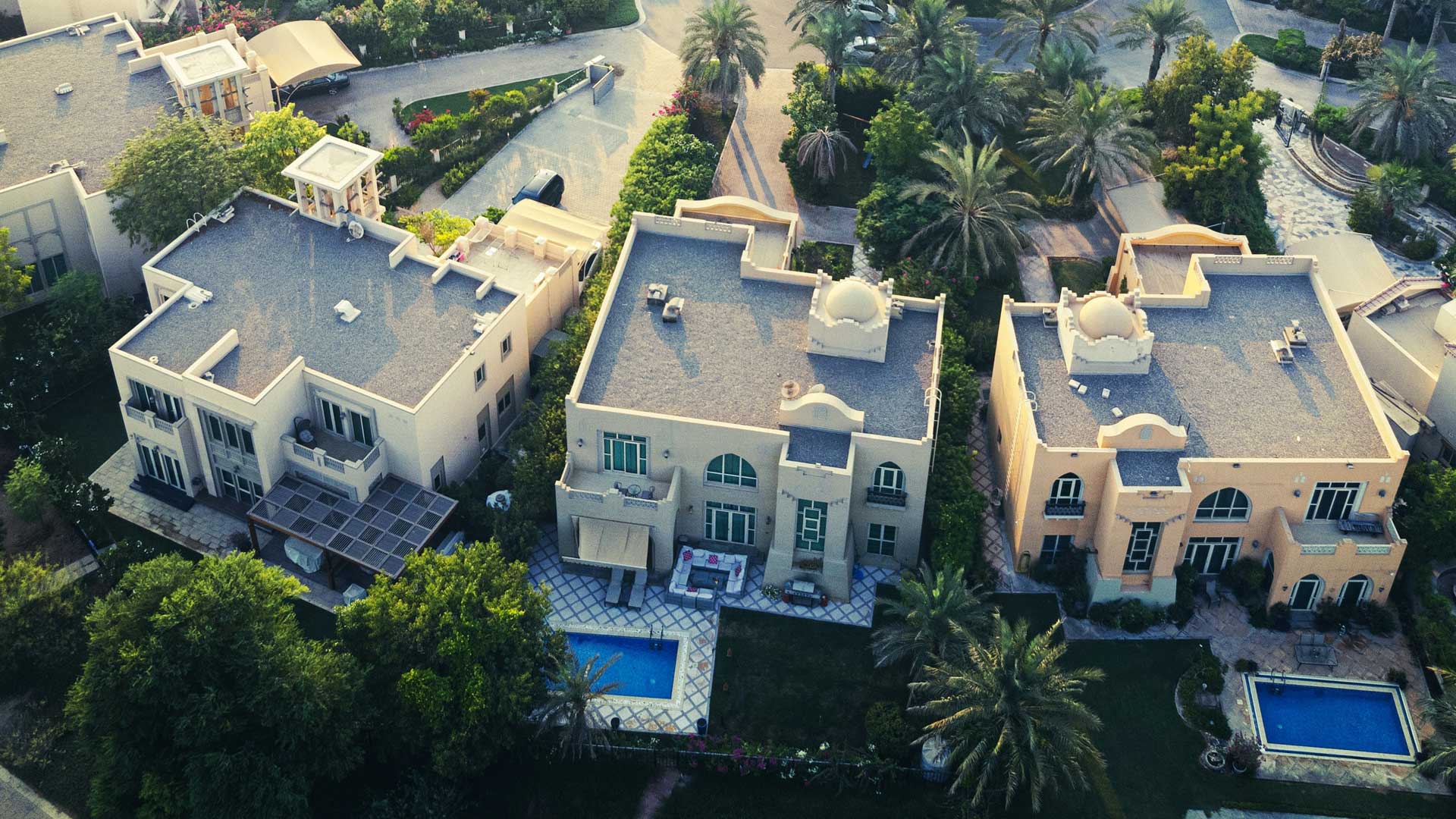
Yes, there are affordable residential areas in Dubai. The most affordable neighbourhoods are located in the city’s suburbs, such as Al Warqa, Al Qusais, and Al Barsha. These areas offer various housing options, from apartments to villas, at lower prices than those found in the city centre. Additionally, these neighbourhoods have access to public transportation, making them convenient for commuters. Furthermore, they are close to shopping centres and other amenities, making them attractive to those looking for a more affordable lifestyle. In addition to these areas, some more expensive neighbourhoods in Dubai offer luxury living at a higher price point.
How Much is a Typical One-Bedroom Apartment Rent in Dubai?
The cost of renting a one-bedroom apartment in Dubai varies greatly depending on the area and amenities. Generally, the average rent for a one-bedroom apartment in Dubai is around AED 70,000 per year or AED 5,833 per month. However, prices can range from AED 40,000 to AED 120,000 per year, depending on the location and quality of the apartment.
For example, a one-bedroom apartment in Downtown Dubai can cost around AED 90,000 annually, while a similar apartment in Jumeirah Village Circle may cost around AED 50,000 annually. Additionally, apartments with more luxurious amenities, such as swimming pools or gyms, may cost more than those without.
In general, the cost of renting a one-bedroom apartment in Dubai is higher than in other cities in the region. However, the city offers various housing options to suit different budgets and needs. Additionally, the city’s infrastructure and job opportunities make it an attractive option for many expats looking for a place to live.
Average Rent for One-Bedroom Apartments in Dubai (AED)
- Downtown Dubai: 100,000
- Deira: 50,000
- Jumeirah: 80,000
- Dubai Marina: 90,000
- Jebel Ali: 70,000
- Al Barsha: 75,000
How Expensive is Eating Out in Dubai?

Eating out in Dubai can range from being very affordable to quite expensive. The cost of a meal at a restaurant in Dubai depends on the restaurant type, the food quality, and the location. Generally, a meal for two people at a mid-range restaurant in Dubai will cost around AED 150-200 (approximately $40-55 USD).
For those looking for a more budget-friendly option, plenty of fast food restaurants and street food stalls offer meals for around AED 25-50 (approximately $7-14 USD). For those looking to splurge, high-end restaurants offer meals for AED 500 or more (approximately $136 USD).
The following table provides an overview of restaurant prices in Dubai:
Type of Restaurant Average Cost (for two people)
- Fast Food/Street Food AED 25-50 ($7-14 USD)
- Mid-Range AED 150-200 ($40-55 USD)
- High End AED 500+ ($136+ USD)
What's the Average Cost of a Gym Membership in Dubai?

The average cost of a gym membership in Dubai can vary greatly depending on the type of gym, the amenities offered, and the length of the contract. Generally, basic gym memberships start at around AED 200 per month, while more comprehensive memberships with access to a wider range of facilities and services can cost up to AED 1,000 per month. Some gyms also offer short-term memberships for visitors to Dubai, which can cost as little as AED 100 per day. Additionally, many gyms offer discounts for students, families, and corporate memberships. Ultimately, the cost of gym membership in Dubai will depend on the individual’s needs and budget.
What Leisure Activities Are Affordable in Dubai?
Dubai is a city of luxury and extravagance, but plenty of affordable leisure activities remain. From cultural attractions to outdoor activities, there is something for everyone in Dubai. Whether you’re looking for a day out with the family or a romantic evening, there are plenty of cost-effective leisure activities. From visiting the world’s tallest building, the Burj Khalifa, to exploring the city’s many beaches and parks, there are plenty of ways to enjoy Dubai without breaking the bank.
How Expensive are International Schools in Dubai?
International schools in Dubai can range from very expensive to more affordable. Generally, the fees for international schools in Dubai are higher than those of local schools, but the quality of education is also higher.
The fees for international schools in Dubai vary depending on the school and the grade level. Generally, fees for primary school (KG1-Grade 5) range from AED 20,000 to AED 50,000 per year. Fees for secondary school (Grades 6-12) range from AED 25,000 to AED 70,000 per year.
The following table provides a breakdown of the average annual tuition fees for international schools in Dubai:
| School Level | Average Annual Tuition Fees |
|---|---|
| KG1-Grade 5 | AED 30,000 - AED 40,000 |
| Grade 6-8 | AED 40,000 - AED 50,000 |
| Grade 9-10 | AED 50,000 - AED 60,000 |
| Grade 11-12 | AED 60,000 - AED 70,000 |
What are some good Money-Saving Tips for Couples in Dubai?
- Make a budget: Set a budget and stick to it. Track your expenses and make sure you are not overspending.
- Cut down on eating out: Eating out can be expensive, so try to cook as much as possible at home.
- Take advantage of discounts: Look for discounts and special offers when shopping for groceries, clothes, and other items.
- Use public transport: Public transport is much cheaper than a car or taxi.
- Shop around for utilities: Compare prices for utilities such as electricity, water, and internet to get the best deal.
- Buy in bulk: Buying in bulk can save you money on items such as toiletries and cleaning supplies.
- Take advantage of free activities: There are plenty of free activities in Dubai, such as visiting the beach or parks.
- Use coupons: Look for coupons online or in newspapers to save money on purchases.
- Avoid impulse buying: Impulse buying can be costly, so only buy what you need.
What are Typical Water and Electricity Charges in Dubai?
- Average water costs in Dubai are AED 4.50 per cubic meter.
- Average electricity costs in Dubai are AED 0.25 per kilowatt-hour.
- Water and electricity bills are usually based on usage and can vary depending on the property size.
- There is an additional charge of AED 10 for each utility bill.
- There is also a 5% VAT charge on all utility bills.
- Utility bills are usually due on the 15th of every month.
What are the Hidden Costs of Living in Dubai?
- Accommodation: Rent in Dubai is expensive and can range from AED 3,000 to AED 20,000 per month, depending on the area and type of property.
- Transportation: Public transportation in Dubai is limited and expensive. Taxis are the most common form of transportation costing up to AED 20 per ride.
- Food: Eating out in Dubai can be expensive, with meals costing up to AED 100 per person.
- Utilities: Utility bills can be high in Dubai due to the hot climate. Water and electricity bills can range from AED 500 to AED 1,500 monthly.
- Education: Private school fees in Dubai can range from AED 10,000 to AED 50,000 per year.
- Healthcare: Healthcare costs in Dubai can be expensive, with medical insurance premiums ranging from AED 1,500 to AED 5,000 per year.
- Entertainment: Going out for entertainment in Dubai can be expensive, with movie tickets costing up to AED 100 and drinks costing up to AED 50.
- Clothing: Clothing in Dubai is generally more expensive than in other countries due to import taxes.
- Taxes: There is a 5% value-added tax (VAT) on most goods and services in Dubai.
What are Typical Healthcare Costs Without Insurance in Dubai?
| Treatment/Procedure | Average Cost (AED) |
|---|---|
| General Consultation | 200-400 |
| X-Ray | 200-400 |
| CT Scan | 1,500-2,500 |
| MRI Scan | 2,000-3,500 |
| Ultrasound | 200-400 |
| Blood Test | 100-200 |
| Vaccination | 100-200 |
| Bilan dentaire | 200-400 |
| Traitement canalaire | 1 000-2 000 |
Combien coûtent les loisirs comme le cinéma à Dubaï ?

- Prix des places de cinéma: une place de cinéma standard à Dubaï coûte entre 30 et 50 AED (8 à 14 dollars américains).
- Bowling: Une partie de bowling dans un bowling très fréquenté de Dubaï coûte entre 40 et 60 AED (11 à 16 dollars américains).
- Patinage sur glace: une séance de patinage dans une patinoire très fréquentée de Dubaï coûte entre 40 et 60 AED (11 à 16 dollars américains).
- Karting: Une séance de karting sur un circuit très fréquenté de Dubaï coûte entre 70 et 100 AED (19 à 27 dollars américains).
- Paintball: Une séance de paintball dans un centre très fréquenté de Dubaï coûte entre 100 et 150 AED (27 à 41 dollars américains).
Quelle est la différence de coût entre les écoles publiques et privées à Dubaï ?
Les frais de scolarité dans les écoles publiques et privées de Dubaï varient considérablement. Les écoles publiques sont généralement bien moins chères que les écoles privées, avec des frais de scolarité compris entre 5 000 et 20 000 AED par an. Les écoles privées, en revanche, peuvent coûter jusqu’à 50 000 AED par an. De plus, les écoles privées peuvent exiger des frais supplémentaires pour les uniformes, les manuels scolaires et d’autres fournitures.
Le tableau ci-dessous présente une comparaison des frais de scolarité dans les écoles publiques et privées à Dubaï :
| Écoles publiques | Écoles privées | |
|---|---|---|
| Frais de scolarité | 5 000 à 20 000 AED | 20 000 à 50 000 AED |
| Uniformes | Non obligatoire | Obligatoire |
| Livres et fournitures | Non obligatoire | Obligatoire |
| Frais supplémentaires | Aucun | Variable |
Combien coûte l'éducation d'un enfant à Dubaï chaque année ?
Élever un enfant à Dubaï peut coûter cher. Selon une récente enquête, le coût annuel moyen pour élever un enfant à Dubaï s’élève à environ 70 000 AED (19 000 USD). Ce montant comprend des dépenses telles que l’alimentation, l’habillement, l’éducation, les frais médicaux et diverses autres dépenses. Le coût de l’éducation d’un enfant à Dubaï peut varier en fonction du mode de vie et des revenus de la famille. Par exemple, les familles disposant de revenus plus élevés peuvent consacrer davantage à l’éducation de leurs enfants, tandis que celles dont les revenus sont plus modestes peuvent y consacrer moins. De plus, le coût de la vie à Dubaï est plus élevé que dans d’autres régions du monde ; les familles doivent donc en tenir compte dans leur budget lorsqu’elles planifient l’avenir de leur enfant.
Dubaï est-elle une ville chère pour les expatriés célibataires ?
Dubaï est une ville chère pour les expatriés célibataires, mais il est possible d’y vivre confortablement avec un budget limité. Le loyer d’un appartement d’une chambre dans le centre-ville peut varier entre environ 1 500 et 2 500 dollars par mois. Les charges telles que l’électricité, l’eau et Internet peuvent coûter environ 150 dollars par mois. Les courses sont relativement chères, les produits de base coûtant environ 50 dollars par semaine. Manger au restaurant peut s’avérer coûteux : un repas pour deux dans un restaurant de gamme moyenne coûte environ 50 dollars. Les frais de transport sont relativement bas : un abonnement mensuel aux transports en commun coûte environ 50 dollars. Les dépenses de loisirs varient en fonction de l’activité, mais aller au cinéma ou au bowling peut coûter environ 20 dollars par personne. Vivre à Dubaï en tant qu’expatrié célibataire peut être coûteux, mais cela reste gérable en gérant soigneusement son budget.
Quelles sont les différences de coût de la vie entre les célibataires et les couples à Dubaï ?
Dubaï est une ville chère pour les expatriés célibataires, mais il est possible d’y vivre confortablement avec un budget limité. Le loyer d’un appartement d’une chambre dans le centre-ville peut varier entre environ 1 500 et 2 500 dollars par mois. Les charges telles que l’électricité, l’eau et Internet peuvent coûter environ 150 dollars par mois. Les courses sont relativement chères, les produits de base coûtant environ 50 dollars par semaine. Manger au restaurant peut s’avérer coûteux : un repas pour deux dans un restaurant de gamme moyenne coûte environ 50 dollars. Les frais de transport sont relativement bas : un abonnement mensuel aux transports en commun coûte environ 50 dollars. Les dépenses de loisirs varient en fonction de l’activité, mais aller au cinéma ou au bowling peut coûter environ 20 dollars par personne. Vivre à Dubaï en tant qu’expatrié célibataire peut être coûteux, mais cela reste gérable en gérant soigneusement son budget.
| Coût unitaire | Coût pour un couple | |
|---|---|---|
| Loyer | 1 500 $ - 2 000 $ | 2 000 $ - 3 000 $ |
| Services publics | 200 $ - 300 $ | 300 $ - 400 $ |
| Alimentation et produits d'épicerie | 200 $ - 300 $ | 400 $ - 500 $ |
| Transports | 100 $ - 200 $ | 200 $ - 300 $ |
| Divertissement/Loisirs | 100 $ - 200 $ | 200 $ - 300 $ |
| Total mensuel | 2 000 $ - 3 000 $ | 3 000 $ - 4 500 $ |
Comment faire des économies sur les frais de logement à Dubaï ?
- Renseignez-vous sur les différents quartiers et zones afin de trouver les solutions de logement les plus abordables.
- Pensez à partager un appartement ou une maison avec des colocataires afin de répartir les frais.
- Recherchez des appartements meublés, dont les loyers sont souvent moins élevés.
- Négociez avec les propriétaires pour obtenir un loyer moins élevé ou des prestations supplémentaires.
- Recherchez des appartements dont le loyer comprend les charges.
- Profitez des offres spéciales et des réductions proposées par les agences immobilières.
- Envisagez de vivre dans un logement plus petit pour réduire votre loyer.
- Recherchez des appartements situés un peu en dehors du centre-ville.
Les transports en commun à Dubaï sont-ils rentables ?
Les transports en commun à Dubaï sont généralement considérés comme rentables. Le gouvernement de Dubaï a massivement investi dans les infrastructures de transport en commun, notamment le métro de Dubaï, qui figure parmi les réseaux de transport en commun les plus efficaces et les plus rentables au monde. Les tarifs sont relativement bas par rapport à d’autres villes, et des réductions sont proposées aux usagers réguliers. De plus, le gouvernement de Dubaï a mis en place un certain nombre d’initiatives visant à rendre les transports en commun plus abordables pour les habitants, comme la gratuité des trajets en bus pour les étudiants et des tarifs réduits pour les seniors. Par ailleurs, le gouvernement a investi dans plusieurs projets visant à améliorer l’accessibilité des transports en commun, notamment la mise en service de bus électriques et l’extension du réseau de métro. Tous ces facteurs font des transports en commun de Dubaï une option attractive et économique pour les usagers.
Comment profiter des loisirs à Dubaï sans se ruiner ?
- Visitez le Dubai Miracle Garden – entrée gratuite
- Promenez-vous le long de la crique de Dubaï – entrée gratuite
- Visitez le Dubai Frame – Prix d'entrée : 15 AED
- Admirez le coucher de soleil sur la plage de Jumeirah – entrée gratuite
- Découvrez le quartier historique d'Al Fahidi – entrée gratuite
- Faites un tour à bord du Dubai Ferry – 15 AED de droit d'entrée
- Visitez l'Aquarium et le zoo sous-marin de Dubaï – Prix d'entrée : 75 AED
- Profitez d'un pique-nique au parc Zabeel – entrée gratuite
- Visitez le Centre Cheikh Mohammed pour la compréhension culturelle – Entrée : 25 AED
- Profitez d'une soirée cinéma chez Reel Cinemas – Prix du billet : 30 AED
Comment choisir une école abordable à Dubaï ?
- Renseignez-vous sur les frais de scolarité des différentes écoles de Dubaï et comparez-les afin de trouver l'option la plus abordable.
- Pensez aux établissements scolaires qui proposent des bourses ou des réductions à certains élèves.
- Renseignez-vous sur les établissements qui proposent des modalités de paiement flexibles ou des options de paiement échelonné.
- Vérifiez si l'établissement propose des services ou des équipements supplémentaires qui pourraient être compris dans les frais de scolarité.
- Renseignez-vous sur les frais supplémentaires éventuels liés à l'établissement.
- Comparez les programmes scolaires et les méthodes pédagogiques des différents établissements afin de vous assurer d'obtenir la meilleure éducation possible pour votre argent.
- Assurez-vous que l'établissement est agréé par le ministère de l'Éducation de Dubaï.
- Rendez-vous sur place pour mieux découvrir les locaux et l'ambiance de l'établissement.
Dubaï est-elle une ville financièrement viable pour les parents isolés ?
Dubaï est une ville financièrement viable pour les parents isolés, car elle offre toute une série d’avantages financiers. Le coût de la vie y est relativement bas par rapport à d’autres grandes villes, et de nombreux avantages fiscaux sont accordés aux personnes qui y travaillent. De plus, le gouvernement propose toute une gamme de prestations sociales aux parents isolés, telles que la garde d’enfants gratuite et des aides au logement. Par ailleurs, Dubaï offre de nombreuses opportunités d’emploi susceptibles d’assurer un revenu stable aux parents isolés. Ces facteurs font de Dubaï une option attrayante pour les parents isolés qui cherchent à assurer un avenir financier stable pour eux-mêmes et leur famille.
Quels conseils financiers peut-on donner aux couples qui s'installent à Dubaï ?
- Renseignez-vous sur le coût de la vie à Dubaï et établissez un budget.
- Envisagez d'ouvrir un compte bancaire local afin de pouvoir bénéficier des services bancaires locaux.
- Pensez à investir dans un plan de retraite ou dans un autre dispositif d'épargne à long terme.
- Veillez à obtenir les visas et autorisations nécessaires avant de vous installer à Dubaï.
- Comprendre la législation et la réglementation fiscales locales.
- Pensez à souscrire une assurance santé pour couvrir vos éventuels frais médicaux.
- Renseignez-vous sur le marché du travail et élaborez un plan pour trouver un emploi.
- Familiarisez-vous avec la culture et les coutumes locales.
- Veillez à mettre suffisamment d'argent de côté pour les imprévus.
Comment le coût de la vie à Dubaï se situe-t-il par rapport à celui d'autres villes du Moyen-Orient ?
Dubaï est l'une des villes les plus chères du Moyen-Orient, avec un coût de la vie supérieur à celui de la plupart des autres villes de la région. Le tableau suivant compare le coût de la vie à Dubaï à celui d'autres grandes villes du Moyen-Orient :
| Ville | Indice du coût de la vie | Indice des loyers | Indice des prix des produits alimentaires | Indice des prix des restaurants |
|---|---|---|---|---|
| Dubaï | 136.75 | 142.17 | 115.45 | 112.19 |
| Riyad | 60.83 | 53.37 | 55.45 | 54.64 |
| Abu Dhabi | 98.15 | 94.19 | 87.90 | 86.41 |
| Doha | 97.19 | 93.02 | 88.08 | 86.43 |
| Amman | 50.90 | 45.40 | 51.20 | 50.45 |
| Beyrouth | 67.76 | 62.48 | 62.37 | 61.20 |
Comme le montre le tableau, Dubaï est nettement plus chère que les autres villes du Moyen-Orient, avec un indice du coût de la vie plus de deux fois supérieur à celui de Riyad et d'Amman, et supérieur de plus de 30 % à celui d'Abou Dhabi et de Doha. Les loyers sont également nettement plus élevés à Dubaï, tandis que les prix des produits alimentaires et des repas au restaurant y sont légèrement plus élevés que dans les autres villes de la région.
Comment le coût de la vie à Dubaï a-t-il évolué au fil des ans ?
Le coût de la vie à Dubaï a considérablement augmenté au cours de la dernière décennie. Selon l’indice du coût de la vie de Numbeo, le coût de la vie à Dubaï était environ 40 % plus élevé en 2020 qu’en 2010. Cette hausse est en grande partie due à la croissance et au développement rapides de la ville, qui ont attiré de nombreux expatriés et touristes. Le graphique ci-dessous illustre l'évolution du coût de la vie à Dubaï au cours des dix dernières années. Comme on peut le constater, le coût de la vie n'a cessé d'augmenter depuis 2010, avec un pic marqué en 2017. Ce pic est probablement dû à l'introduction de la taxe sur la valeur ajoutée (TVA) aux Émirats arabes unis, qui a entraîné une hausse des prix dans de nombreux secteurs. Depuis lors, le coût de la vie a continué d'augmenter lentement.
