

Покупка недвижимости в Дубае для иностранных покупателей проходит проще, чем многие ожидают, и регулируется в большей степени, чем большинство людей предполагает. За последнее десятилетие в Дубае сформировался один из самых прозрачных и обеспечивающих защиту покупателей рынков недвижимости на стадии строительства в мире, при этом RERA и Земельный департамент Дубая обеспечивают правовую базу, защищающую покупателей на каждом этапе. Однако прежде чем принять окончательное решение, необходимо ознакомиться с некоторыми конкретными правилами, касающимися права безусловного владения, сборов и мер защиты при покупке недвижимости на стадии строительства.
В данном руководстве доступным языком подробно описаны все этапы — от определения бюджета до получения документа о праве собственности — а также даны ответы на конкретные вопросы, которые чаще всего задают иностранные покупатели, касающиеся комиссий, безопасности покупок на стадии строительства и получения вида на жительство в ОАЭ.
Могут ли иностранцы покупать недвижимость в Дубае?
Да, причем с меньшим количеством ограничений, чем в большинстве сопоставимых городов. В Дубае существует система зон с правом бессрочного владения, где граждане стран, не входящих в состав ОАЭ и Совета сотрудничества стран Персидского залива (GCC), могут приобретать жилую недвижимость в полную собственность, владеть ею на законных основаниях от своего имени и свободно продавать. Эти зоны определены Департаментом земельных ресурсов Дубая и включают большинство крупных жилых районов города: Даунтаун Дубай, Дубай Марина, Пальма Джумейра, Бизнес-Бэй, Джумейра Виллидж Серкл, Дубай Спортс Сити, Дубайленд, Мохаммед Бин Рашид Сити в Мейдане и многие другие.
За пределами зон, где действует право бессрочного владения, граждане стран, не входящих в состав ОАЭ, могут приобретать недвижимость на условиях аренды сроком на 99 лет в некоторых районах, хотя подавляющее большинство иностранных покупателей предпочитают приобретать недвижимость в бессрочную собственность.
Ограничений на количество объектов недвижимости, которыми может владеть иностранный гражданин в зонах Дубая с правом бессрочного владения, не существует. В ОАЭ не взимается местный налог на доходы от аренды, а также налог на прирост капитала при продаже недвижимости.
Шаг 1: Определите свой бюджет с учетом всех сборов
Прежде чем осматривать или бронировать какую-либо недвижимость, рассчитайте полную стоимость, а не только цену покупки. Покупатели в Дубае постоянно недооценивают общую стоимость приобретения. Указанная цена, как правило, на 7–8 % ниже фактической суммы, которую необходимо иметь в наличии к моменту завершения сделки.
Обязательные сборы при покупке недвижимости в Дубае:
- Сбор за оформление права собственности, взимаемый Департаментом земельных ресурсов Дубая (DLD): 4 % от покупной цены, уплачиваемый в DLD при оформлении права собственности. Это самая крупная статья затрат при приобретении недвижимости.
- Регистрационный сбор DLD: 4 000 дирхамов ОАЭ для объектов недвижимости стоимостью свыше 500 000 дирхамов ОАЭ; 2 000 дирхамов ОАЭ — для объектов стоимостью ниже этой суммы.
- Комиссия агентства/брокерской компании: как правило, 2 % от покупной цены при обращении к зарегистрированному брокеру.
Плата за получение сертификата об отсутствии возражений (NOC): 500–5 000 дирхамов ОАЭ в зависимости от застройщика; оплачивается при оформлении перехода права собственности на готовый объект недвижимости. - Сбор за регистрацию ипотеки (при использовании кредита): 0,25 % от суммы кредита.
При покупке недвижимости на стадии строительства сбор DLD уплачивается при регистрации договора купли-продажи на стадии строительства (регистрация в Oqood), как правило, авансом. Плата за обслуживание начинает взиматься после сдачи объекта недвижимости.
Ипотека для иностранных покупателей:
Нерезиденты могут получить ипотечный кредит в ОАЭ через банки страны, однако условия для них отличаются от условий для резидентов ОАЭ. Как правило, нерезидентам требуется внести первоначальный взнос в размере 50 % (по сравнению с 20–25 % для резидентов) при покупке недвижимости стоимостью до 5 млн дирхамов. Процентные ставки в 2026 году являются плавающими и, как правило, привязаны к ставке EIBOR с добавлением маржи. Банки ОАЭ, в том числе Emirates NBD, ADCB и Mashreq, предлагают ипотечные продукты для нерезидентов. Перед заключением сделки купли-продажи всегда следует получить предварительное одобрение ипотечного кредита.
Шаг 2: Выберите тип недвижимости: на стадии строительства или готовая
Это одно из самых важных решений, которое принимает покупатель в Дубае. Оба варианта имеют свои неоспоримые преимущества; правильный выбор зависит от ваших сроков, готовности к риску и финансового положения.
Недвижимость на стадии строительства — это покупка до завершения строительства напрямую у застройщика по стартовой цене. К преимуществам относятся:
- Более низкие начальные цены (цены на недвижимость на стадии строительства, как правило, на 15–25 % ниже ожидаемой стоимости объекта после завершения строительства)
- Гибкие планы оплаты, распределенные на весь период строительства (как правило, 20–50 % в ходе строительства, остальная сумма — по завершении строительства; некоторые застройщики предлагают варианты оплаты после сдачи объекта)
- Возможность выбрать желаемую квартиру, этаж и ориентацию еще на этапе запуска проекта
К числу рисков относятся задержки в сроках строительства (на рынке Дубая это обычное явление — от 6 до 18 месяцев) и риск невыполнения застройщиком обязательств по сдаче объекта, поэтому меры защиты, предусмотренные RERA, имеют большое значение.
Готовая недвижимость — это покупка уже построенного объекта у застройщика или на вторичном рынке. К преимуществам относятся немедленный доход от сдачи в аренду, уверенность в том, что именно вы покупаете (вы можете осмотреть объект в реальности), а также отсутствие рисков, связанных с финансированием на этапе строительства.
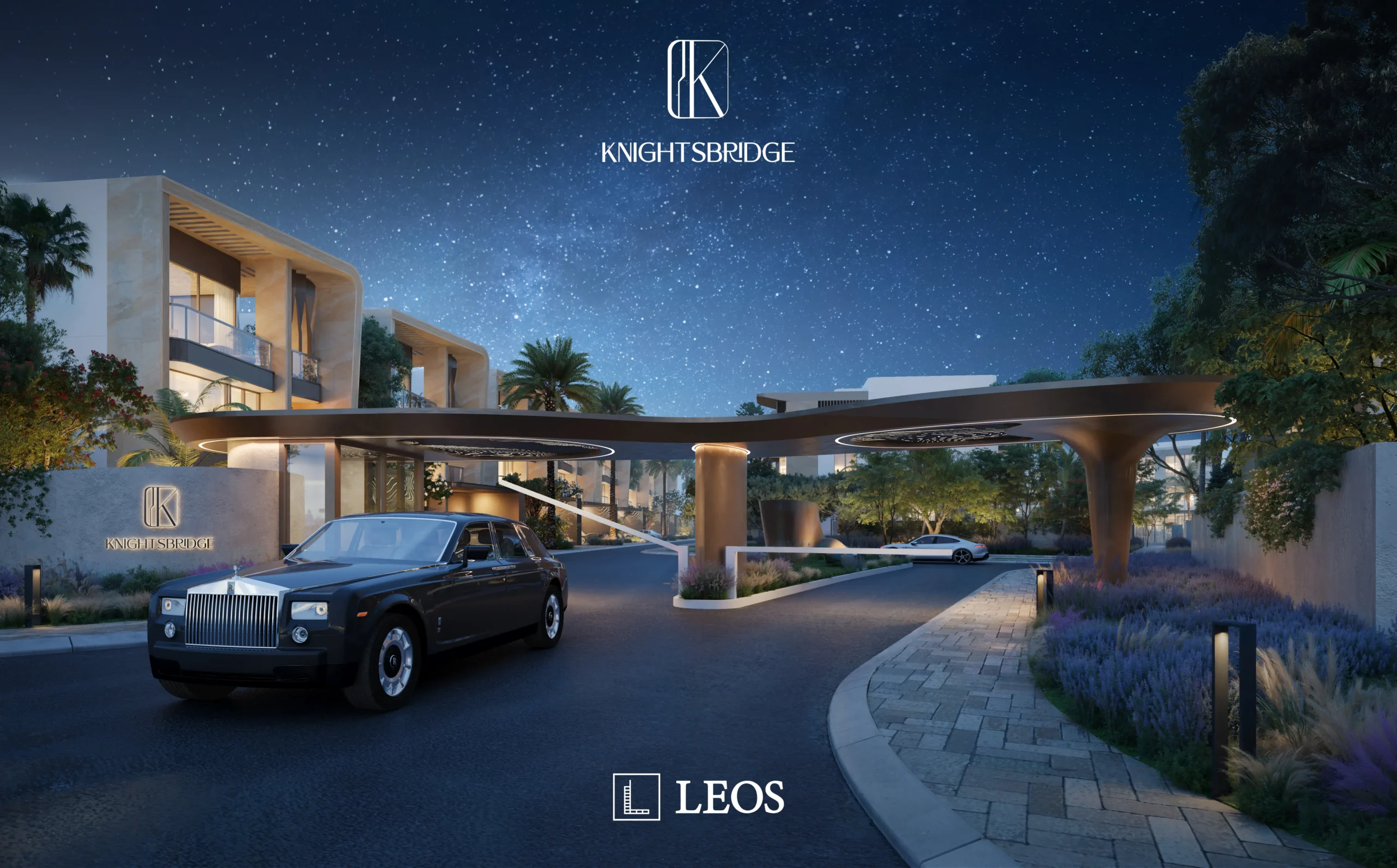
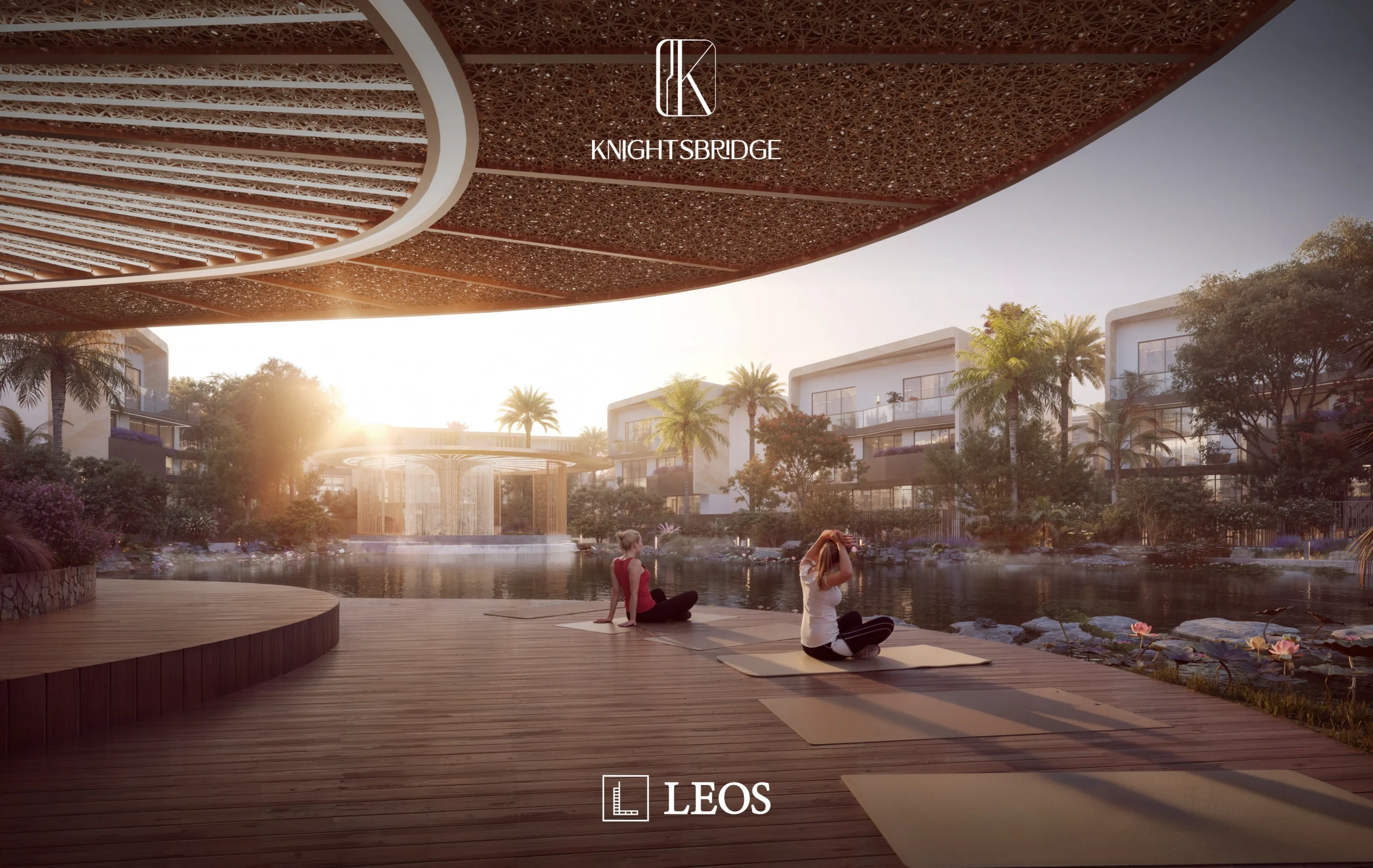
Что касается именно объектов на стадии строительства, компания LEOS Developments предлагает недвижимость в комплексах Hadley Heights 2 (Dubai Sports City), Weybridge Gardens 3, 4 и 5 (Dubailand) и Knightsbridge (фазы 1 и 2) (район Мейдан 11) с поэтапными планами оплаты на весь период строительства.
Шаг 3: Ознакомьтесь с мерами защиты, предусмотренными RERA и DLD
Агентство по регулированию рынка недвижимости Дубая (RERA), входящее в состав Департамента земельных ресурсов Дубая, обеспечивает функционирование наиболее благоприятной для покупателей системы регулирования сделок с недвижимостью на стадии строительства в регионе. Основные меры защиты:
Эскроу-счета. Все платежи за жилье на стадии строительства должны перечисляться на эскроу-счет, регулируемый RERA и обслуживаемый уполномоченным банком, а не на общие счета застройщика. Это означает, что ваши средства могут быть использованы исключительно для финансирования строительства именно вашего конкретного проекта и находятся под защитой в случае, если застройщик столкнётся с финансовыми трудностями.
Регистрация в системе Oqood. Каждый договор купли-продажи недвижимости на стадии строительства должен быть зарегистрирован в Земельном департаменте Дубая через систему Oqood в течение 60 дней с момента подписания. Такая регистрация формирует юридически обязывающую запись о вашей доле владения недвижимостью до завершения строительства. Всегда убеждайтесь, что ваш договор купли-продажи недвижимости на стадии строительства зарегистрирован в системе Oqood — это ваша основная гарантия защиты интересов покупателя.
Лицензирование брокеров RERA. Все агенты по недвижимости, работающие в Дубае, обязаны иметь действующую лицензию брокера RERA (номер BRN). Перед тем как нанять агента для совершения покупки, проверьте его номер BRN с помощью приложения Dubai REST.
Репутация застройщика. RERA публикует информацию о рейтингах застройщиков и статусе регистрации проектов. Прежде чем принимать решение о покупке недвижимости на стадии строительства, убедитесь, что застройщик и конкретный проект зарегистрированы в RERA.
Шаг 4: Сделайте предложение и подпишите договор купли-продажи
В случае готовой недвижимости процесс начинается с предложения, которое, как правило, делается устно или по электронной почте через вашего агента, после чего заключается Меморандум о взаимопонимании (MOU), также известный как «Форма F», в котором указываются согласованная цена, график платежей и условия сделки. На этапе подписания MOU застройщику выплачивается залог, как правило, в размере 10 % от покупной цены, либо он размещается на специальном трастовом счете.
В случае с недвижимостью на стадии строительства процесс проще: вы выбираете и бронируете объект, подписываете договор купли-продажи (SPA) с застройщиком и вносите бронировательный взнос (как правило, 5–20 % от покупной цены). Договор купли-продажи (SPA) является обязательным к исполнению договором между вами и застройщиком.
В обоих случаях внимательно ознакомьтесь с договором перед подписанием, уделив особое внимание графику платежей, срокам сдачи объекта, положениям о штрафных санкциях в случае задержек со стороны застройщика, а также смете расходов на обслуживание.
Шаг 5: Оплата сбора за переоформление в DLD и регистрация права собственности
При оформлении готовых сделок по передаче права собственности и покупатель, и продавец лично присутствуют (или представлены доверенным лицом) на стойке оформления сделок DLD либо используют цифровые каналы DLD. На этом этапе уплачивается комиссия DLD за оформление сделки в размере 4 %, после чего выдается свидетельство о праве собственности на имя покупателя. Процесс обычно занимает от одного до трех рабочих дней после того, как все документы будут подготовлены надлежащим образом.
В случае покупки недвижимости на стадии строительства правоустанавливающий документ выдается при передаче объекта, после завершения строительства и уплаты последнего взноса. Регистрация «Окуд», оформленная на этапе заключения договора, является временным документом, подтверждающим право собственности.
Шаг 6: Сдача объекта, устранение недоделок и заселение
По завершении строительства по проекту застройщик пригласит покупателей на сдачу объекта. Перед вступлением во владение:
- Проведите осмотр на предмет выявления дефектов. Систематически осмотрите квартиру и зафиксируйте все дефекты, царапины, проблемы с сантехникой и недоработки в акте об устранении дефектов, составленном застройщиком. Застройщики в Дубае по закону обязаны устранить все дефекты, выявленные при сдаче объекта. Сделайте фотографии и убедитесь, что акт подписан и заверен представителем застройщика.
- Подключение к инженерным сетям. Необходимо оформить подключение к сетям DEWA (Управление по электро- и водоснабжению Дубая) на ваше имя. Как правило, для этого требуется внести залог в DEWA (2 000 дирхамов для квартир, 4 000 дирхамов для вилл), который можно оплатить онлайн через приложение DEWA.
- Зарегистрируйтесь в системе Ejari. Если вы сдаете недвижимость в аренду, договор аренды должен быть зарегистрирован в системе Ejari (система регистрации аренды в Дубае) до того, как ваш арендатор сможет подключиться к DEWA. Этим может заняться ваша управляющая компания.
Программа «Золотая виза» по инвестициям в недвижимость
Приобретение недвижимости в ОАЭ на сумму 2 000 000 дирхамов или более дает покупателям право на получение 10-летней «Золотой визы» ОАЭ, которая распространяется на покупку недвижимости на стадии строительства и с ипотечным кредитом в соответствии с правилами, действующими до апреля 2026 года. «Золотая виза» распространяется на покупателя, его супруга/супругу, детей и домашний персонал. Она предоставляет право на 10-летнее продлеваемое проживание в ОАЭ без обязательного постоянного проживания в стране.
Двухлетняя виза на основании владения недвижимостью выдается при покупке недвижимости стоимостью 750 000 дирхамов и выше (в единоличном владении).
Недвижимость в комплексах Hadley Heights 2 (от 1,1 млн дирхамов), Weybridge Gardens 4 и 5 (от 690 тыс. до 2,25 млн дирхамов) и Knightsbridge (от 7,94 млн дирхамов) охватывает весь диапазон ценовых категорий — от объектов, позволяющих получить визу на основании приобретения недвижимости, до тех, которые дают право на получение «Золотой визы».
Распространенные ошибки, которых следует избегать
- Не забывайте о комиссии DLD в размере 4 %. Это самая распространенная ошибка, которую допускают иностранные покупатели при составлении бюджета. Всегда учитывайте её с самого начала.
- Покупка у незарегистрированного агента. Проверяйте номер BRN. Обязательно.
- Выбирайте застройщика, а не проект. Даже у известных застройщиков качество строительства может различаться в зависимости от конкретного проекта. Изучайте именно конкретный объект застройки, а не только бренд.
- Не учитываются коммунальные сборы. Коммунальные сборы в Дубае уплачиваются ежегодно и составляют 10–25+ дирхамов за квадратный фут в зависимости от здания. Комфортабельная квартира площадью 1 000 кв. футов с коммунальными сборами в размере 20 дирхамов за кв. фут обойдется в 20 000 дирхамов в год; учтите эту сумму при расчете чистой доходности.
- В ожидании идеального момента. К 2026 году рынок недвижимости Дубая значительно созрел. Сейчас редко задают вопрос «Стоит ли покупать недвижимость в Дубае?», а скорее — «Какой район лучше всего соответствует моим целям?». Ответ на второй вопрос требует тщательного изучения; а откладывание решения по первому вопросу на неопределённый срок редко идёт покупателям на пользу.
Часто задаваемые вопросы
1. Могут ли иностранцы приобретать недвижимость в Дубае?
Да. Граждане стран, не входящих в состав ОАЭ и Совета сотрудничества стран Персидского залива (GCC), могут приобретать недвижимость в полную собственность в специально выделенных зонах, к которым относятся большинство крупных жилых комплексов Дубая. Ограничений по гражданству в отношении владения недвижимостью в полную собственность нет.
2. Какие сборы нужно уплатить при покупке недвижимости в Дубае?
Основные сборы включают: комиссию DLD за передачу права собственности в размере 4 %, регистрационный сбор DLD (2 000–4 000 дирхамов) и, как правило, комиссию агентства в размере 2 % при использовании услуг брокера. Общие затраты на приобретение, как правило, составляют 6–8 % от покупной цены.
3. Какова плата за DLD?
Сбор за оформление права собственности, взимаемый Департаментом земельных ресурсов Дубая (DLD), составляет 4 % от стоимости приобретаемой недвижимости и уплачивается государству при оформлении права собственности. Он применяется как к покупке готовой недвижимости, так и к покупке недвижимости на стадии строительства.
4. Могу ли я получить вид на жительство, купив недвижимость в Дубае?
Да. При покупке недвижимости на сумму от 750 000 дирхамов можно получить визу на 2 года. При покупке недвижимости на сумму от 2 000 000 дирхамов, включая покупку объектов на стадии строительства и покупку в ипотеку, можно получить «золотую визу» ОАЭ сроком на 10 лет.
5. Безопасно ли покупать недвижимость на стадии строительства в Дубае?
Рынок недвижимости на стадии строительства в Дубае регулируется гораздо более строго, чем на большинстве других рынков. Согласно требованиям RERA, все платежи застройщикам должны храниться на счетах условного депонирования, а все договоры купли-продажи недвижимости на стадии строительства должны быть зарегистрированы в системе Oqood в Земельном департаменте Дубая. Перед внесением каких-либо платежей покупателям следует проверить регистрацию застройщика в RERA и наличие счета условного депонирования для данного проекта.
